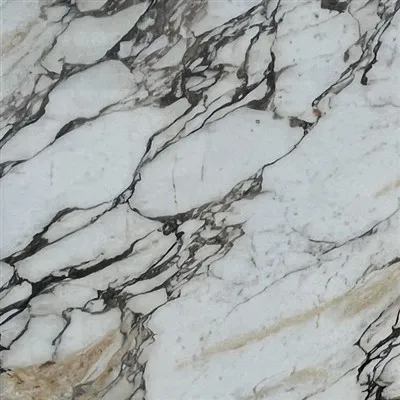
Pros and Cons of Granite Sinks: Enhancing Your Kitchen Experience
Discover the advantages and drawbacks of granite sinks in this comprehensive guide. Learn about their durability, aesthetics, and more. Are granite sinks worth the investment?
Granite sinks have become a staple in modern kitchens, offering a blend of elegance and functionality. From their high-temperature resistance to their aesthetic appeal, these sinks have captured the attention of homeowners and designers alike. In this article, we delve into the advantages and disadvantages of granite sinks, helping you make an informed decision for your kitchen renovation or upgrade.

Advantages of Granite Sinks
Granite sinks offer many benefits that make them an attractive choice for discerning homeowners. Let's explore some of the key advantages:
High Temperature Resistance:
Granite sinks boast remarkable heat resistance, capable of withstanding temperatures above 280°C. This feature makes them ideal for Chinese cooking methods and ensures longevity in your kitchen.
Antibacterial Properties:
One of the standout features of granite sinks is their excellent antibacterial properties. Extensive testing has shown that granite sinks effectively inhibit the growth and regeneration of bacteria, promoting a hygienic environment in your kitchen.
Exceptional Durability:
With a hardness second only to diamonds, granite sinks exhibit impressive scratch resistance, ensuring they maintain their aesthetic appeal even after years of use. Their robust construction makes them durable and long-lasting, offering value for money.
Superior Corrosion Resistance:
Granite sinks demonstrate outstanding resistance to corrosion, acids, and alkalis. Even highly corrosive acidic foods pose no threat to the integrity of these sinks, ensuring they retain their pristine appearance for years to come.
Low Water and Oil Absorption Rates:
Unlike traditional sinks, granite sinks have shallow water and oil absorption rates, making them easy to clean and maintain. Say goodbye to stubborn stains and hello to hassle-free upkeep.
Versatile Design Options:
Granite sinks come in many styles and colors, allowing you to customize your kitchen to suit your aesthetic preferences. Whether you prefer a sleek, modern look or a more traditional vibe, there's a granite sink to match your vision.
Environmentally Friendly Materials:
Concerned about environmental impact? Granite sinks are crafted from environmentally friendly, non-toxic materials that are free from radiation, providing peace of mind for eco-conscious consumers.
Enhanced Aesthetics:
Soft to the touch and visually striking, granite sinks serve as the centerpiece of modern kitchens, elevating the overall ambiance. Their one-time molding process ensures strength and durability, making them an ideal choice for high-traffic kitchen environments.
Positive Impact on Market Trends:
The introduction of granite sinks has revolutionized the domestic market, injecting fresh innovation into the world of kitchen design. Popular in European markets, these sinks offer a perfect blend of style and functionality, catering to the diverse needs of homeowners.
Disadvantages of Granite Sinks
While granite sinks offer numerous advantages, it's essential to consider their drawbacks before making a purchase decision. Here are some potential drawbacks:
Durability Concerns:
Harsh chemicals can damage composite granite sinks, necessitating careful cleaning and maintenance to preserve their appearance. Additionally, exposure to heat can cause resin blemishes, detracting from the sink's aesthetics.
Hardness Factor:
Unlike other sink materials, composite granite is exceptionally hard, which may pose challenges during installation or repair. However, this durability ensures long-term performance and reliability.
Uniform Color Variation:
If you prefer the natural variation found in authentic granite, composite granite sinks may disappoint with their uniform pattern and color. This lack of variation can detract from the sink's aesthetic appeal in some kitchen designs.
Higher Cost:
Compared to traditional stainless steel or porcelain sinks, granite sinks tend to be more expensive. While they offer superior durability and aesthetics, the initial investment may be higher than some homeowners anticipate.

FAQ
Q: Are granite sinks prone to chipping or cracking?
A: Granite sinks are highly durable and resistant to chipping or cracking under normal use. However, excessive force or impact may cause damage.
Q: Can I use abrasive cleaners on granite sinks?
A: It's recommended to avoid abrasive cleaners, as they can scratch the surface of granite sinks. Instead, opt for mild, non-abrasive cleaning solutions for best results.
Q: Do granite sinks require special maintenance?
A: While granite sinks are relatively low maintenance, it's essential to clean them regularly with mild soap and water to prevent buildup and maintain their appearance.
Q: Can I install a garbage disposal with a granite sink?
A: Yes, granite sinks are compatible with garbage disposals. However, it's crucial to follow manufacturer guidelines for proper installation and usage.
Q: Are granite sinks suitable for outdoor kitchens?
A: Yes, granite sinks can withstand outdoor environments and are an excellent choice for outdoor kitchen setups. They offer durability and aesthetic appeal, enhancing your outdoor cooking space.
Q: Can I install a granite sink myself, or do I need professional help?
A: While DIY installation is possible for experienced individuals, it's generally recommended to enlist the help of a professional plumber or installer to ensure proper fitting and sealing.