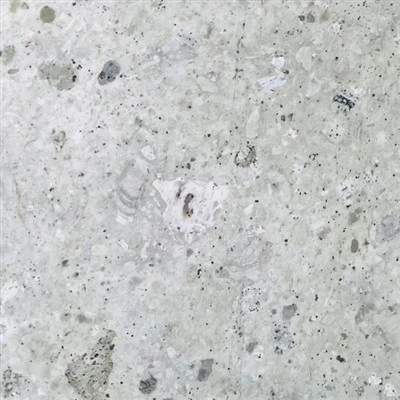
If you are familiar with travertine, you probably know its many benefits in interior remodeling projects. From floors and walls to showers and fireplaces, travertine brings durability and beauty to any interior space. However, once you've finished installing travertine inside, you may be asking yourself if you can take this versatile material outdoors. Well, the answer is yes!

Reasons to use travertine outdoors:
- Travertine is made from natural calcite with a hardness rating of 6.5, which means they will not age or darken like concrete.
- Travertine provides an organic texture to any building or small outdoor space and works well with modern architecture.
What is the difference between indoor and outdoor travertine?
The difference is the wide variety of colors they offer. Outdoor styles are typically darker in color, have a more natural appearance, and have higher porosity. Outdoor variants will weather faster due to high humidity or temperature, so you may need to resurface them every 2-3 years, or an average of every 5-6 years for commercial purposes. They do require sealing and regular maintenance, but this should be done by a professional as installing it yourself will void the warranty.
Travertine used indoors is polished smooth during production to give it an etched sheen. These can be washed with soap and water and will last longer because they are easier to seal, but are not as strong as the outdoor ones.

Where can travertine be used outdoors?
There are many places homeowners choose to place natural stone pavers outdoors. Some of the most popular outdoor remodeling projects include pool decks, patios, driveways, walkways, garden paths, outdoor stairs, outdoor kitchens, and outdoor fire pits. Using travertine is a great way to bring the comfort and beauty of an indoor space outside, a big trend that is transforming the world. There's nothing like stepping into your backyard to relax and unwind in a space reminiscent of your living room or kitchen.
How to Install Travertine Outdoors?
When laying them on a level surface such as the ground, make sure they are not laid into any substrate that might be conducive to water absorption. For example, if you have a lot of sand in your yard. Fibers (fine particles) absorbed from the sand will eventually enter the tile and shorten its lifespan until it usually dissolves naturally over time (1-3 years for low-grain sand). If you need to lay the tiles on sand, place plastic sheets or use an oil-based release agent to prevent the stone from absorbing moisture and swelling when it is stained by the penetrant in the wetting agent. When installing travertine tiles outdoors, a sealer should be applied to the joints of the tiles to avoid moisture.
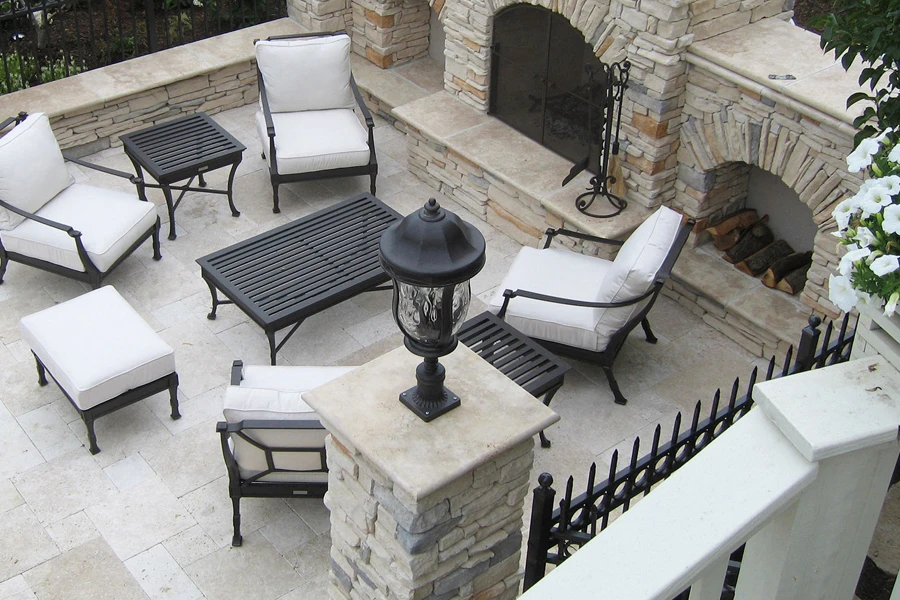
What are the benefits of using travertine outdoors?
Travertine has many properties that make it ideal for outdoor finishes. Travertine, for example, is freeze-thaw compatible, which means it's less likely to damage in winter and spring, making it a good choice for driveways. It also has a non-slip surface, ideal for pool areas where water may splash and people move around. They're even heat-resistant, which means they won't get hot as you walk around the pool deck barefoot in the summer.
Travertine is also very durable and will not fade or corrode over time. Your investment will last for years, and you won't have to do much to make your outdoor stone look like new. Hose cleaning them from time to time is really all they need, but some homeowners choose to seal their travertines to ensure they don't get dirty with fluids like car oil.