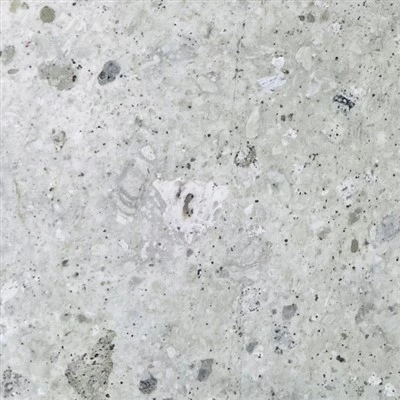
Color variation (or color difference) is a common issue in stone processing, especially when dealing with natural stones that have unique and varied patterns. To ensure a uniform and visually appealing end product, the following measures can be adopted to control color discrepancies during the stone processing stages:
1. Numbering and Pre-Layout
Solution: When creating processing orders for stone, each stone slab should be numbered individually, with the direction of the veins marked. Pre-layout planning should be done to ensure that the stone's texture and color are consistent throughout.
Benefit: This method ensures the uniformity of the stone's appearance and reduces the likelihood of mismatched patterns and colors during installation.
2. Controlling the Cutting Direction
Solution: Since stones have inherent grain or texture directions, it is crucial to control the cutting direction during processing. Ensure that the stone's cutting surfaces follow the same direction of texture, which maintains the consistency of the pattern and color.
Benefit: This step helps achieve consistent coloration and texture alignment, which is critical when multiple slabs are used together.
3. Batch Control During Processing
Solution: Stones from the same batch or quarry should be processed together to ensure that the natural characteristics, including color and pattern, match. Any slabs with defects such as spots, holes, cracks, or processing flaws should be quickly removed from the production line.
Benefit: This ensures that only stones with similar qualities are processed and used together, minimizing color variations and defects.
4. Stone Layout and Arrangement
Solution: After processing, arrange the stone slabs in a designated area according to production batches and installation sequence. Pay attention to sorting out stones with significant color differences or visible discolorations before installation.
Benefit: Proper layout and pre-arrangement help identify and eliminate problematic slabs before they are installed, ensuring a more uniform appearance when the stone is placed.

5. Stone Protection
Solution: Different types of natural stones contain varying amounts and sizes of internal voids. Pollution or contaminants on the stone's surface or underside can penetrate through these voids, causing difficult-to-remove stains like watermarks, efflorescence, rust, or other discolorations. Proper stone protection should be applied to prevent these issues.
Benefit: Protection helps to preserve the stone's natural color and prevents external factors from causing permanent discoloration or stains.
6. Stone Aging Treatment
Solution: Stones that have been exposed to air, UV rays, rain, and other environmental factors over time may experience changes in color due to altered light reflectance. Aging treatments can be applied to restore or stabilize the stone's appearance.
Benefit: This treatment helps maintain the stone's consistency in color, particularly for outdoor projects, ensuring that the stone looks uniform even after prolonged exposure.
7. Color Correction Methods
Solution: Methods such as color enhancement, color acceleration, dyeing, and color modification can be used to reduce color variations and correct any discrepancies. These techniques help to bring stones closer to the desired color.
Benefit: These methods provide a quick and effective way to achieve a more uniform appearance in stones that have slight color variations.
8. Standardized Processing Procedures
Solution: Establish standardized processing workflows to ensure every step meets quality requirements. Regular color checks should be integrated into the production process to detect and correct any variations early on.
Benefit: Standardization ensures consistency across batches, minimizing errors and variations, and enhancing the overall quality control of the stone products.
9. Packaging and Transportation Conditions
Solution: Use specialized packaging materials to prevent impact, friction, or pressure that could cause scratches or color variation during transportation. Also, ensure that transportation conditions, such as temperature and humidity, are ideal to prevent environmental factors from affecting the stone.
Benefit: Proper packaging and transportation conditions reduce the risk of color variations caused by external factors such as temperature or physical damage during shipping.
10. On-Site Management
Solution: During the installation process, continuous color testing should be done to ensure that no significant color variations occur. After installation, an overall color inspection should be conducted to confirm that the stone meets the design specifications and color consistency requirements.
Benefit: Real-time monitoring during installation ensures that any color discrepancies are addressed immediately, preventing any issues from becoming noticeable in the finished project.
By implementing these measures, stone processors can effectively control color variation and improve the overall quality and aesthetic appeal of their stone products. These strategies range from proper batch control and pre-layout planning to protecting the stone during transport and on-site installation. With careful attention to detail and consistency, color differences in stone can be minimized, ensuring a beautiful and uniform end result.