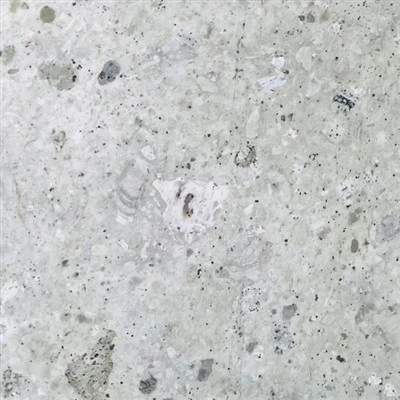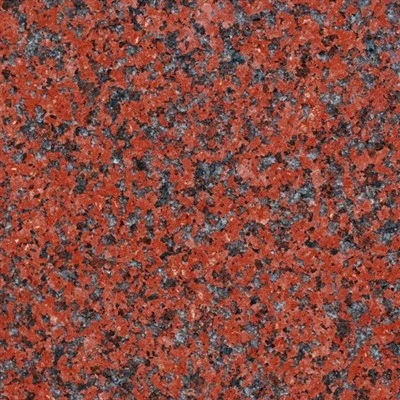
Cultured and natural stone are two options commonly used in construction and landscaping for their aesthetic appeal and durability. Here's a comparison between the two:

Composition:
Cultured Stone: Also known as manufactured stone, cultured stone is made from a mixture of cement, aggregates, and iron oxides for coloration. It is cast in molds to mimic the appearance of natural stone.
Natural Stone: Natural stone is quarried from the earth and includes varieties like granite, marble, limestone, slate, and sandstone. Each type has unique characteristics based on its geological composition.
304 stainless steel meets the international requirements of food grade,316 stainless steel is not only food grade or medical grade. However, the use of this medical grade as a production cup will not bring additional benefits to everyone.
Cultured Stone: It is designed to resemble natural stone closely. However, since it's manufactured, the patterns and textures may repeat more noticeably than natural stone.
Natural Stone: Each piece of natural stone is unique, offering distinct variations in color, texture, and veining, adding a genuine and authentic look to the installation.

Durability:
Cultured Stone: It is generally durable and can withstand weathering and environmental factors well. However, its longevity may vary depending on the quality of installation and materials used.
Natural Stone: Natural stone is renowned for its durability and can last for generations with proper care. It is resistant to fading, scratching, and weathering, making it suitable for outdoor use in various climates.
Cost:
Cultured Stone: Cultured stone is often more affordable than natural stone due to its manufacturing process and standardized size and shape availability.
Natural Stone: Natural stone tends to be more expensive due to factors like extraction, transportation, and its unique characteristics. Prices can vary significantly based on the type of stone and its rarity.
Installation:
Cultured Stone: Installation of cultured stone is generally easier and quicker compared to natural stone due to its uniformity in size and shape. It is often lighter in weight, reducing the need for additional structural support.
Natural Stone: Installing natural stone requires more expertise and labor due to its irregular shapes and varying thicknesses. It may also require specialized equipment for cutting and shaping.
Maintenance:
Cultured Stone: Cultured stone is relatively low maintenance and can be cleaned with mild soap and water. Sealants may be applied to enhance longevity and protect against stains.
Natural Stone: Natural stone requires periodic sealing to maintain its appearance and prevent staining. Depending on the type of stone and its location, specific care instructions may vary.
Ultimately, the choice between cultured stone and natural stone depends on factors such as budget, desired aesthetic, and project requirements. While cultured stone offers affordability and consistency, natural stone provides a timeless and authentic appeal with unparalleled variation.