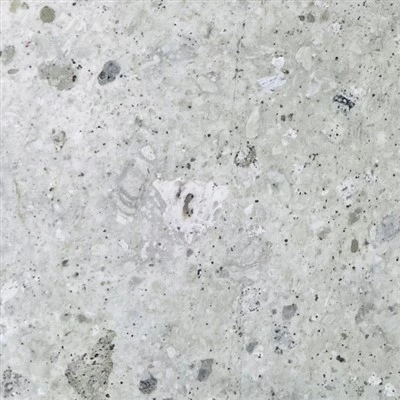
When consumers choose decorative stone, they often don't know how to distinguish its quality. Marble, granite, and slate are the three main types of decorative stones, which cover more than 99% of natural decorative stones.
The choice of decorative stone depends on the appearance:
The commonly used decorative stones are mainly marble and granite.
Generally speaking, marble has fine texture, changeable patterns, and bright color. It is easy to process and polish, but its hardness is low and its wear resistance is worse than that of granite. Mainly used for indoor floor, wall, window sill and column finish.
Granite is characterized by compact structure, low water absorption, hard texture and high strength, especially its compressive strength can reach 1200-2500kg/cm². Since the main constituent minerals of granite have strong resistance to acid, it is extremely resistant to acid corrosion and alkali corrosion. It also has strong corrosion resistance.
Granite is not easy to be weathered and deteriorated, and its appearance and color can be maintained for more than a hundred years, so it is mostly used for exterior wall finishing. Because it has a strong corrosion resistance to acids in the air, it is harder and wear-resistant than marble, and in terms of durability is beyond the reach of other stones such as marble and terrazzo, it is an ideal natural stone for architectural decoration. Compared with marble, granite has fewer changes in color and pattern, but has more flexible changes in texture, and at the same time appears more solemn and classic in the overall feeling.
The selection of decorative stone depends on the quality:
The material of the stone should be uniform and complete to avoid problems such as dark cracks, black scars and chromatic aberration.
1. Pay attention to the composition of the stone and avoid excessively high levels of harmful substances such as iron sulfide, iron oxide, carbon and clay;
2. Pay attention to the radiation level of the stone;
3. Pay attention to whether the stone contains mineral components with high thermal expansion coefficient, thermal conductivity and electrical conductivity to avoid the danger of cracks, thermal conductivity and electrical conductivity.
Durability should be considered when choosing decorative stone:
The stone with uniform pore distribution, small pore size, low water absorption, high hardness and compressive strength should be selected as far as possible. However, it should be noted that although the high specific stone has higher strength, it will increase the load of the structure and reduce the strength and earthquake resistance of the building.