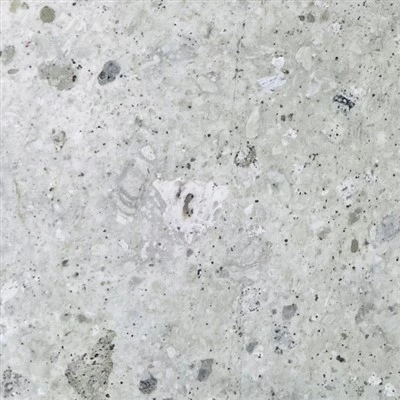
Every slab of granite is unique. While commercial-grade granite tends to be dark in color with little to no veining, granite slabs found at a local showroom are quarried and prepared for residential use and are available in hundreds of colors and endless pattern variations. But does it all need to be sealed?
When shopping for granite you’ll find that the unanimous answer to that question is: yes! Don’t let the task of sealing this beautiful stone discourage you from considering it as a countertop or a vanity top option because once you know how to seal granite, it is a quick and easy process.
Granite is a porous material, which means the material will absorb liquids on its surface to some degree. However, how often you need to seal it will vary. Professionals agree that darker color granite will require less sealing than lighter slabs because dark granite is denser and less porous. For example, a regular granite countertop will require 12 months or more between sealing. In contrast, some of the light colors might need to be sealed as often as once every 6 months. Honed granite surfaces might require additional sealing because the granite is not protected by the polish and is more prone to staining.

How to Seal Granite
After your stone has been tested and you determine that the granite needs a coat of sealer, finding the right product is key. There are dozens of options on the market, and they differ in application and lasting durability.
For long-lasting protection and easy application, consider DuPont StoneTech Professional Bullet-Proof Sealer. It’s the right product for granite countertops and tiles, and can also be used on other stone surfaces around the home, such as marble, limestone, sandstone or travertine. The sealer penetrates granite pores and can be effective for up to 3-5 year on interior surfaces.
Prior to the application, mask off any surfaces not intended for treatment. For a granite countertop, apply an even coat by a paint pad, brush, or roller, and allow the sealer to penetrate the surface for 15 to 30 minutes. Note that some stone is more porous than others, and might require a second application. If the sealer has been absorbed by the granite after the first coat, simply repeat the first step. Remove the access sealer with a dry, clean cloth. Now the sealer needs time to cure, which can take between 24 and 72 hours, for maximum protection. Always read the entire label and follow the safety warnings before proceeding with the application of the sealer.
Another granite sealer option is Super Zero Ultimate Stone Sealer. Its water-based, nano technology works by binding the sealer to the stone’s pores, creating a protective surface layer. Superior Zero Stone Sealer comes in an easy-to-use spray bottle, and can be applied to granite or to virtually any natural stone surface: like quartzite, slate, onyx, or marble. To apply this product, simply spray the sealer on the stone surface and allow the liquid to soak into the stone for 20 to 30 minutes. If the sealer is able to penetrate the stone, a second coat might be necessary, so go ahead and apply another coat. Remove excess sealer with a clean, dry towel and allow for the sealer to cure for 24 hours.
Read the entire label on the back of the sealer to ensure proper application and follow safety warnings.