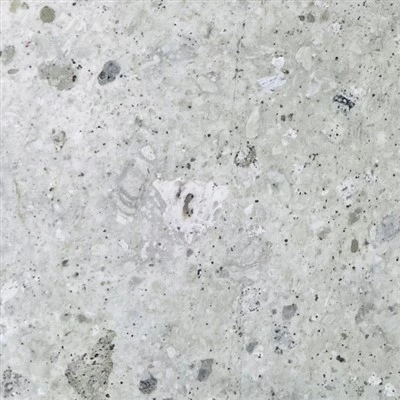
In the natural stone world, there are different opinions as to whether limestone (among other natural stones) should be sealed. On the one hand, experts tend to recommend sealing all stones. Sealants, on the other hand, can be notorious for altering the natural appearance of stone.
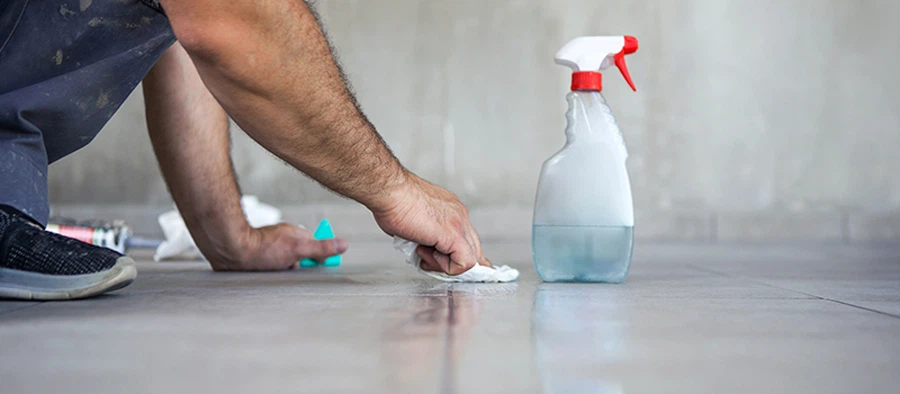
In most cases, all stone surfaces should be sealed. Especially with porous stones like limestone, sealing is necessary to prevent other particles and liquids from penetrating below the surface. Unsealed stone floors and counters may contain floor dirt, dust, and dry liquids. This is especially problematic when you spill things in the kitchen and bathroom, as colored liquids can easily stain lighter colored stones. Likewise, exterior limestone used around a pool deck or patio can be affected by the elements, chemicals, and heavy traffic.
Limestone needs to be sealed to last as long as possible. It maintains the natural appearance of the stone and prevents it from staining. Even dirt and water can form some form of "crystallisation" in the pores of limestone, resulting in harmful and unsightly stains.

How to Choose Limestone Sealants and Coatings
Limestone sealants come in several different forms and subtypes, and which one you choose will most likely depend on the type of limestone home fixture you want to protect. Certain options are better suited for bathroom limestone, while others are designed specifically for limestone floors.
Permanent Limestone Coatings
Permanent coatings are those that are more difficult to remove and remain on your stone for life. They are usually made of polymers suspended in a solvent, the most common being polyurethanes and epoxies. These are generally not recommended for natural stone.
Peelable Limestone Coatings
The peelable coating can be easily removed from the stone surface. They're made from acrylic, styrene, polyethylene, and more—often in a water-based formulation. This form of coating is more suitable for tile floors, not necessarily stone, so if you choose the peelable option, be sure to choose a stone-specific coating.
Permeable Limestone Sealants
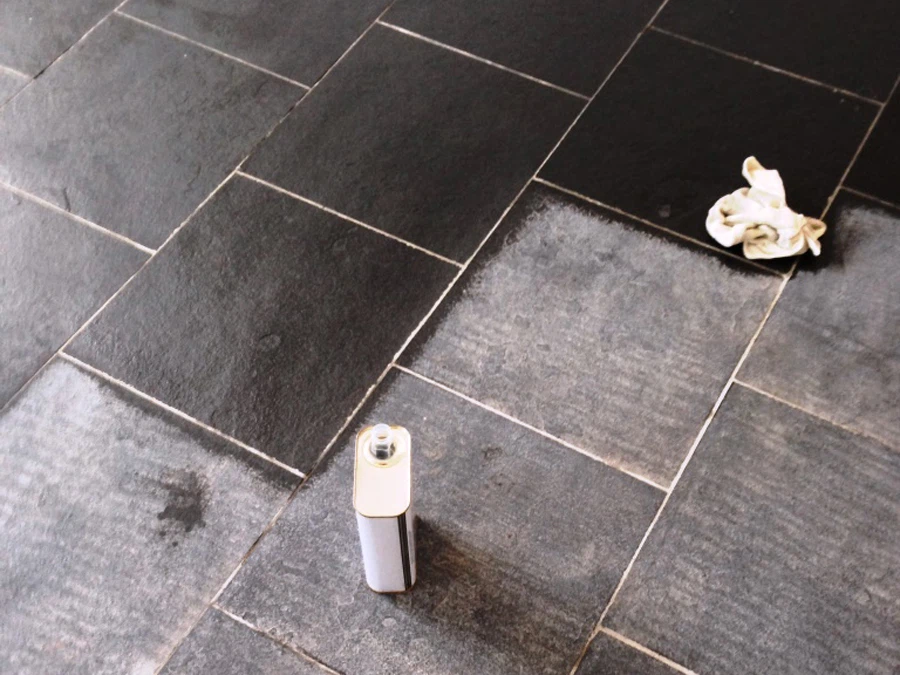
Penetrating sealants are designed to penetrate deep below the surface and deposit particles into the pores of the stone. They also cover minerals found just below the surface of the stone. By using a penetrating sealer, your stone can be waterproof, oil- and stain-resistant. These sealants can be solvent or water based and often contain silicone, siloxane, methyl silicate or other silicon derivatives. Penetrating sealants can be divided into subtypes, which can be classified as oil repellent or water repellent. Waterproof, known as hydrophobic, resists common kitchen spill culprits such as juice, coffee, tea, soda, and wine. Oil repellent options are called oleophobic, and they repel water and oil-based liquids. This includes the above-mentioned liquids as well as edible oils, fats and oils produced by the human body.
Differences Between Coatings and Sealants
Many homeowners are choosing between paints and sealants. Generally, inexperienced homeowners can apply paint easily and more economically. They provide anti-slip properties, are a "sacrificial" layer that is worn away by traffic, and add brilliance to the stone. Unfortunately, the coating requires frequent sanding or reapplication and can make the stone look unnatural, almost plastic-like. Penetrating sealants, also known as impregnating sealants, often require professional application. They are less environmentally friendly and more expensive, but also do not require frequent reapplication. Last year penetrating sealers, do not change the color or appearance of the stone like paint.