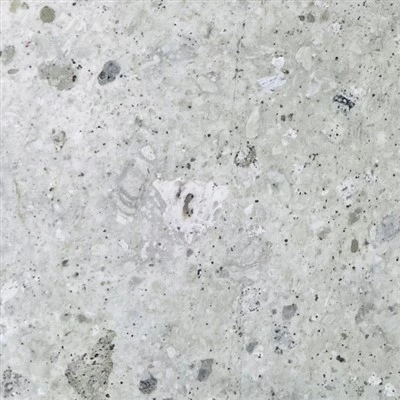
Marble is a natural stone that is made of limestone. It has very low chemical reactivity. It can dissolve in water to form calcium oxide and gaseous carbon dioxide. Because of this low chemical reactivity, it is incompatible with acids. However, marble does react with concentrated acidic salts and fluorine. Consequently, you must be very careful when using marble.

Many marbles contain a variety of accessory minerals. These minerals contribute to the color of the stone. Some of these minerals can be up to 15% of the marble's mass. For example, some marbles contain small grains of quartz and scales of pale yellow mica. Some marbles are also rich in iron oxides and small crystals of pyrite.

If you want to find out whether marble contains chemicals, you can try to make a simple experiment to test it yourself. First, mix crushed eggshell with 70% acetic acid solution and 30 mL of water. Next, add 100 mL of ethyl alcohol to the mixture. The solution should form a gel. Once this solution is mixed with water, you can try heating the marble with a blowtorch and see if it glows. Remember to use protective gloves and mask when handling these chemicals.

Marble contains calcium carbonate, a mineral that is capable of neutralizing many acids. In fact, marble is so effective at neutralizing acid that it is often used to neutralize acid in rivers and lakes. Because of its high acid-neutralization capability, marble is often used in the chemical industry. This substance is used in many household products, including cleaning powders. In addition to being a natural acid neutralizer, marble is useful for sculpture and other projects.
Marbles are common in older layers of the Earth's crust, especially in regions of igneous intrusion and extreme folding. In these metamorphic zones, limestone rich in fossils changes into true marble. In some cases, the marble retains organic structures, such as limonite, hematite, and pyrite.