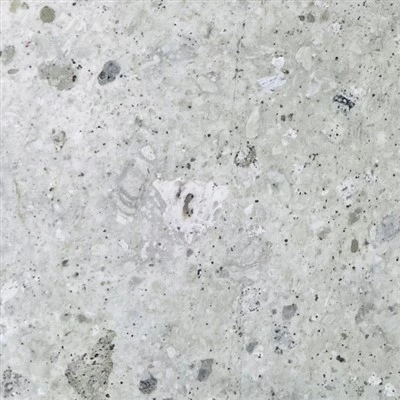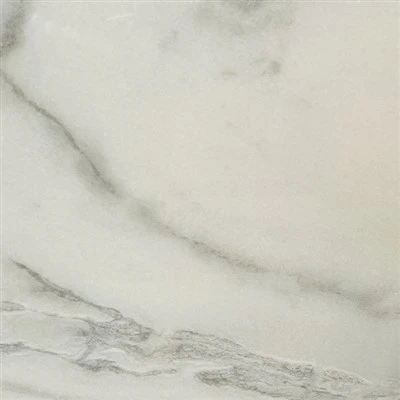
Choosing the right material will be the first step when deciding to use natural stone countertops in your kitchen. Between marble, granite, quartz, travertine, and more, there are several natural options to choose from, each with their own pros and cons.
The main reason why people choose marble installations, whether for kitchen or bathroom countertops, is simply because marble can create an eye-catching focal point in any room. Obviously, unique or rare colors, and more pronounced veining, will drive up the cost of various marbles. However, what is not in dispute is how stunning a piece of marble is.
Plus, it’s not hard to find a style of marble that complements other design elements, and versatility and neutrality are another motivating factor for people choosing to use marble.
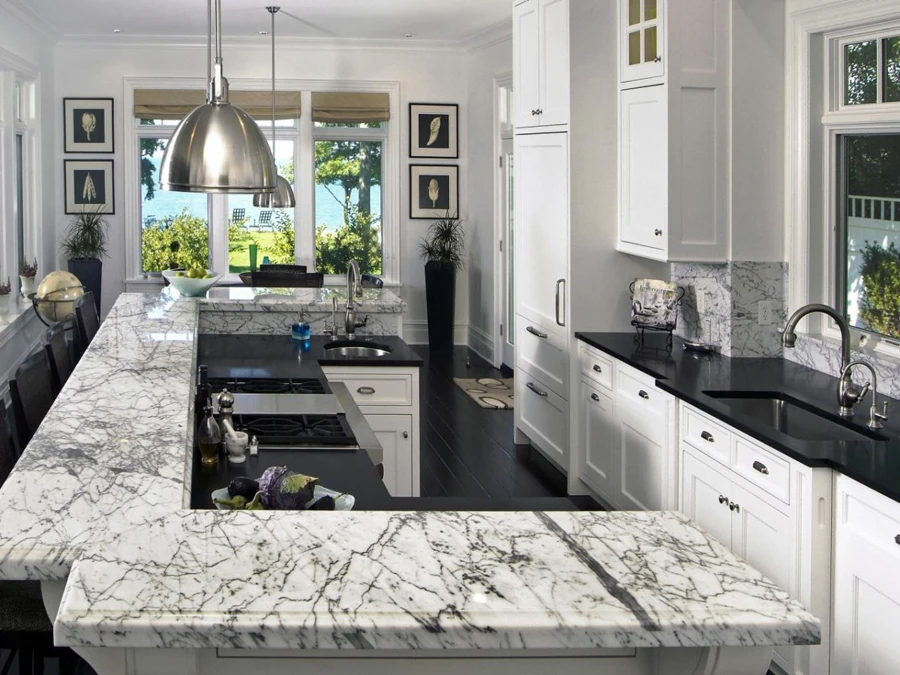
So why choose natural marble for kitchen countertops?
Marble is heat resistant
While it is not recommended to place fondues and pans directly on a marble counter, it is technically possible due to the heat resistance of marble. That is, it requires constant, seemingly intentional effort to destroy its surface with heat or fire. While you might not want to cook on marble, like granite, marble can still heat and heat things up well. Even if this is the case, use a tripod for your fondue and pans, no matter what surface your countertop is.
Marble is porous and soft
Now it can be confusing to say that marble is soft because we are talking about stone here, but since it involves natural stone, marble is soft and it gets scratched easily. It is also porous, so acidic materials tend to attack it. These two qualities are the main disadvantages associated with marble.
Acidic items, such as tomato or lemon juice, can cause serious damage to marble countertops. Wine has been known to stain marble, and belt buckles or bulky jewelry can leave scratches or chips anywhere they touch. Regular cleaning, polishing and sealing are highly recommended to help overcome these two major weaknesses of marble, but this will not prevent physical damage due to carelessness or neglect.

Marble is easy to stain
Extending the porosity of marble, the negative quality factor heavily influences one of the other disadvantages associated with marble: staining. If the marble isn't maintained regularly or properly, or the homeowner is lazy, it's better to sand the marble than worry about routine polishing and sealing. Honing the marble will make the marble look matte, minimizing the shine where it is most needed, but it will also make stains and scratches less visible to the naked eye.
Still, even polished marble needs to be sealed at least every six months, mainly to counteract the effects of exposing porous stone to various liquids and ingredients for extended periods of time.
Marble is expensive?
A common misconception about marble is that it is a high-end building material. In some cases, yes, of course this is true. But the simpler and more common marble is not out of reach of most homeowners.
There is a serious overlap between what makes marble attractive and what makes marble expensive, and that is the quality and range of textures on a particular board. This quality is ultimately the biggest attraction of marble because it makes marble different from many natural stone options. So if a person is looking for the perfect piece of marble with a pronounced texture, they will spend more than someone who just wants a simple piece of marble to sort their kitchen or bathroom.

Conclusion: Install or Not
At the end of the day, marble is still a quality material that can be used in any home improvement project with a modern feel. Some of the drawbacks of marble are easily offset with a little due diligence and routine maintenance, while the positives make the extra effort more worthwhile. After all, who doesn't love their design choices being complimented by guests? Place a beautiful marble slab in a prominent position in the kitchen, and these compliments are sure to be commonplace.