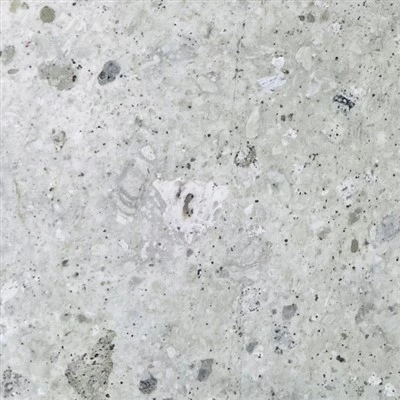
The knowledge of dry hanging stone technology in the construction industry is gaining widespread recognition due to its unique advantages. The application of dry hanging stone can be seen in various construction projects including commercial buildings, residential apartments, public parks, and monuments.
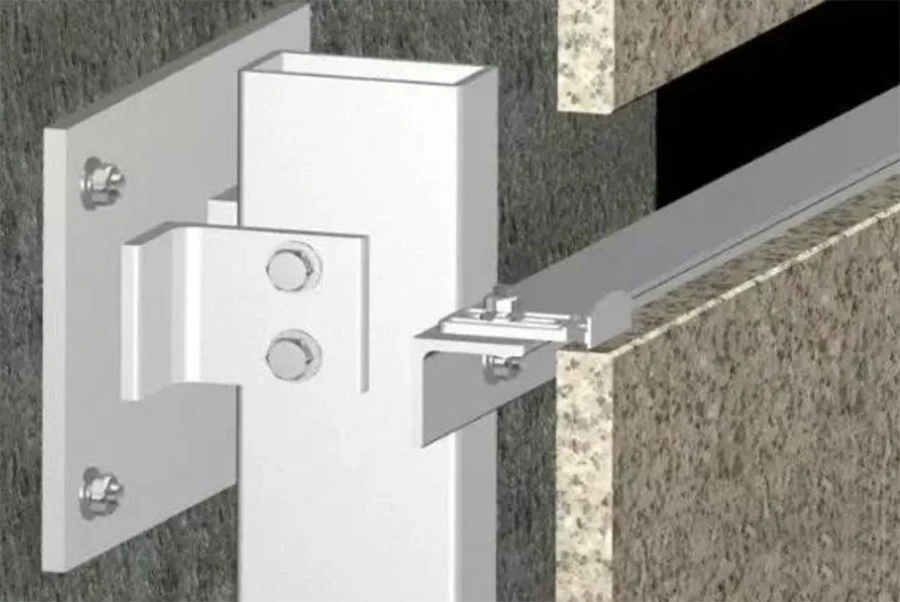
The technology involves fixing the slabs of stone on the building facade without the use of mortar or adhesives. Instead, a system of metal brackets, clips, and anchors is utilized to support the weight of the stone cladding. This offers a number of advantages including rapid construction, cost-effectiveness, and flexibility of design.
One of the key advantages of dry hanging stone is that it allows for faster construction time compared to traditional masonry methods. The lightweight nature of the stone slabs means that they can be easily installed and fixed in place without the need for time-consuming and labour-intensive mortaring. This not only speeds up the construction process but also reduces the overall cost of construction.

Another key benefit of dry hanging stone is its design flexibility. The use of metal brackets and clips makes it possible to create intricate and varied patterns on the facade of a building. This allows architects and designers to experiment with different designs and textures, resulting in unique and visually appealing structures.
Dry hanging stone technology is also highly durable and low maintenance. The use of metal brackets and anchors ensures that the stone cladding remains firmly in place, even in areas of high wind and seismic activity. Furthermore, because the stone is not fixed with mortar, there is no risk of cracking or dislodging over time.

In conclusion, the use of dry hanging stone technology in the construction industry offers numerous advantages including speed of construction, design flexibility, durability, and low maintenance. As such, it has become an increasingly popular choice for architects, designers, and developers seeking to create visually stunning and technologically advanced buildings that stand the test of time.