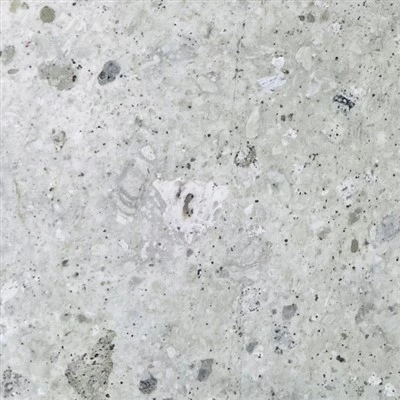
The word travertine is derived from "tiburtinus", as it mainly comes from an area below Tivoli. In fact, travertine was one of the most commonly used materials for the construction of buildings and public works by the Romans, so much so that it later became known under the name Roman travertine. Among the most famous travertine monuments in the world, it is impossible not to mention the Colosseum, St. Peter's Basilica or the Trevi Fountain.
Travertine is considered an extremely versatile rock, also because it is available in a variety of colors. The Stone Age and the incorporation of oxides and other impurities (which is normal given the porosity of this rock) gave life to a range of different travertines, in addition to the classic ones, ranging from milky white to walnut and pink of many shades to scarlet.
Travertine was undoubtedly the most common stone used by the Romans in the field of construction for the construction of buildings and construction projects because of its elasticity, good resistance to atmospheric factors, and its ability to be easily smoothed and carved.
The most famous travertine monument (for the construction of the main columns, floors and façades) is undoubtedly the Colosseum, which, in addition to being an indisputable symbol of the capital and of the UNESCO heritage, was inscribed in 2007. The Seven Wonders of the World. Just imagine that a road was purposely built to transport the travertine blocks from the quarry in Tibur (today Bagni a Tivoli) to the capital.

In addition to the Colosseum, travertine adorns the exterior of the Teatro Marcelo, the frame of the Pantheon, the columns of St. Peter's Basilica, the architectural structure of the Basilica of Santa Maria Maggiore and the Basilica of San Giovanni in Lateran . The work of the Trevi Fountain, the largest fountain in Rome and another symbol of the Eternal City, fully embodies the combination of travertine and water in its splendid and spectacular Baroque style.

The arches of the remains of the aqueduct are also made of travertine rock. The arches of the Claudian aqueduct were made of travertine stone, so the area was named "Arco di Travertino". One of the characteristics of the Claudian aqueduct is the magnificent chiaroscuro effect, mainly due to the use of travertine blocks alternating with raw stones such as peperino and red tuff.

In the rest of the world, it is impossible not to mention the Sacre Coeur in Paris, which is built from the stone of Chateau Langdon, a frost-resistant travertine that gets whiter with age and exposure and shining with rain. Or the Getty Center in Los Angeles, whose architectural structure, built with over 100,000 square meters of imported travertine stone from Italy, complements the surrounding natural environment and pays homage to the concept of historic architecture.