
Is Granite a Good Choice for Your Dining Table? - Practical Stone Industry Guide
When you're planning a dining space - whether it's for a residential home, luxury villa, café, or hotel - materials matter. A common question from designers, buyers, and project developers is:
"Is granite really suitable for a dining table?"
The short answer: Yes - if you understand its strengths and how to use it well. Below is a practical breakdown that speaks directly to decision-makers and end users.
Why Granite Works Well for Dining Tables
Natural granite is formed under intense heat and pressure deep in the earth, creating a stone that's hard, dense, and durable - ideal for heavy use surfaces such as dining tables.
Key Performance Benefits:
High Scratch & Wear Resistance - withstands forks, knives, and daily dining use without easily marking.
Heat Safe - hot dishes and pots can be placed directly on the surface with minimal risk of damage.
Low Stain Risk - when sealed correctly, granite resists water and food stains.
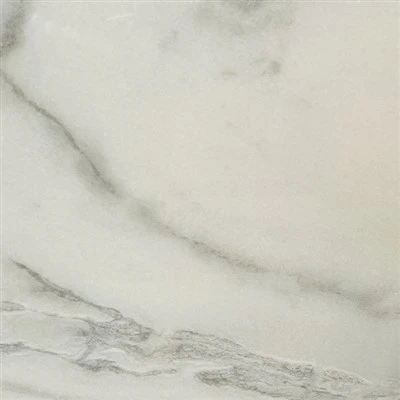
Natural Beauty - each slab has unique veining and color, enhancing the table's aesthetic appeal.
Compared with wood or glass, granite combines functionality with timeless style - making it a strong long-term investment for dining spaces.

Design & Aesthetic Flexibility
One major reason designers choose granite is how well it integrates with different interior styles.
Common Design Matches:
Modern & Minimal: Black, white, or grey granite with clean edges
Luxury Dining: Dramatic veining and deep color tones
Classic & Warm: Earthy browns or beige granites
You can also customize the finish - polished for sophisticated shine, honed or matte for a softer, tactile feel.

Structural Considerations
Granite is heavy, and that's both a strength and a requirement.
To ensure stability:
Choose a strong table base - reinforced wood, metal, or stone
Select a professional fabrication thickness (often 18–30 mm)
Install with care to prevent tipping or cracks
A well-built granite table is extremely stable once installed.
Granite vs Marble: What's Best for Dining?
Granite and marble are both beautiful natural stones, but granite often performs better for dining tables because:
It's harder and more resistant to scratches
Less sensitive to acidic food and drinks
Lower maintenance over time
Marble may look elegant, but it's softer and more prone to etching and staining from daily food contact.
Where Granite Dining Tables Shine
Thanks to its durability and visual appeal, granite tops are widely used in places like:
Residential dining rooms
Luxury apartments and villas
Restaurants, cafés, and hotel dining areas
Its ability to withstand frequent use makes granite especially suitable for commercial dining settings.

Final Take - Practical, Stylish & Long-Lasting
Granite is not just beautiful - it's functional. Its durability, heat resistance, and variety of colors make it a reliable option for dining tables that must perform over years of use. With the right fabrication and support, granite offers a dining surface that balances practicality with timeless stone aesthetics.
If you want a dining table that lasts, looks great, and withstands real use, granite remains one of the top choices in natural stone.
eking a dining table surface that balances functionality with timeless stone aesthetics, granite remains a reliable and well-proven choice.