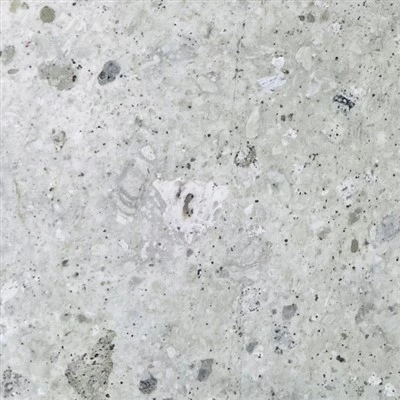
Marble, a material lauded for its versatility, finds its primary applications in both architecture and sculpture. Its unique chemical properties also render it useful across various fields and industries. Here are some specific utilizations:
Architecture and Sculpture: Marble has long been revered as a stone befitting deities and royalty. The Taj Mahal, for instance, stands as a testament to this esteemed rock. Today, marble continues to be a decorative construction material, adorning interiors and exteriors. Its semi-translucent quality allows light to permeate, emitting a gentle luminescence. Additionally, its ability to achieve a high polish makes it a favored medium for sculptures.
Construction Materials: Crushed marble frequently serves as a building material, utilized as a filler. The presence of calcite endows marble with a greater propensity to fracture than limestone, enhancing its utility in construction.
Whitening Agents, Fillers, and Pigments: Exceptionally white marble is processed into a fine powder known as chalk. This powder is instrumental in whitening, filling, and coloring various products, including paper and paint.
Soil Treatment: Much like limestone, certain marbles can be heated to form calcium oxide, also known as lime. This compound is employed in agriculture to treat soil, primarily to reduce its acidity. Combined with fertilizers, it improves soil productivity.
Acid Neutralization: Marble's predominant component, calcium carbonate, allows it to be pulverized into a powder to neutralize acids and purify impurities. This powdered marble is also utilized in water treatment and as an acid neutralizer in the chemical industry.
Supplements: Powdered marble is often used in the production of animal supplements. Its softness, solubility, and high calcium content make it an ideal additive.
Grave Markers: One of the most common uses of marble is as headstones or cemetery markers. Marble's ease of cutting and carving makes it a preferred choice.