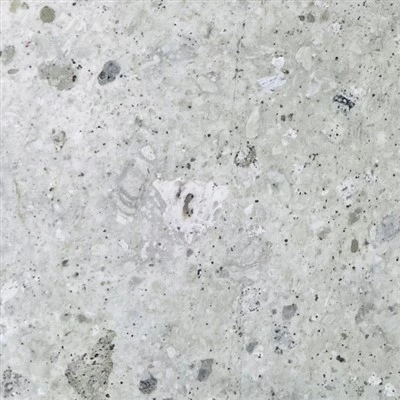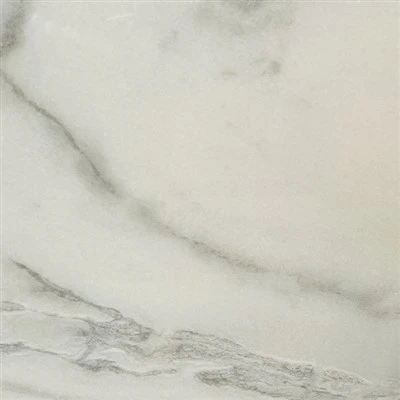
Are you considering installing granite floors in your home and building? Granite tile floors are a beautiful, durable option for your home's floors. Using granite at home can greatly reduce the risk of allergy symptoms, such as a runny nose and sore throat. Among other things, it can improve indoor air quality and reduce the risk of respiratory diseases, cancer and heart disease. The EPA considers poor indoor air quality a health risk because it increases the risk of respiratory disease, cancer and heart disease.

If you're interested in installing granite floors in your home, you need to know how to properly maintain your new floors. To take care of your granite floors, you should use a sealant to prevent moisture and stains from penetrating the stone. You should also consider applying polish to the floor, which makes it easier to keep clean. This finish also seals in more pores, which means you won't have to reseal it as often.
If you're considering granite floors, you'll want to know that it's not an inexpensive material. Granite tiles are very durable, but you must make sure to follow the manufacturer's instructions for proper care. Depending on the size of the floor, you may need to reapply the sealant every year. To keep your granite in top condition, you can place cushions in front of your door.
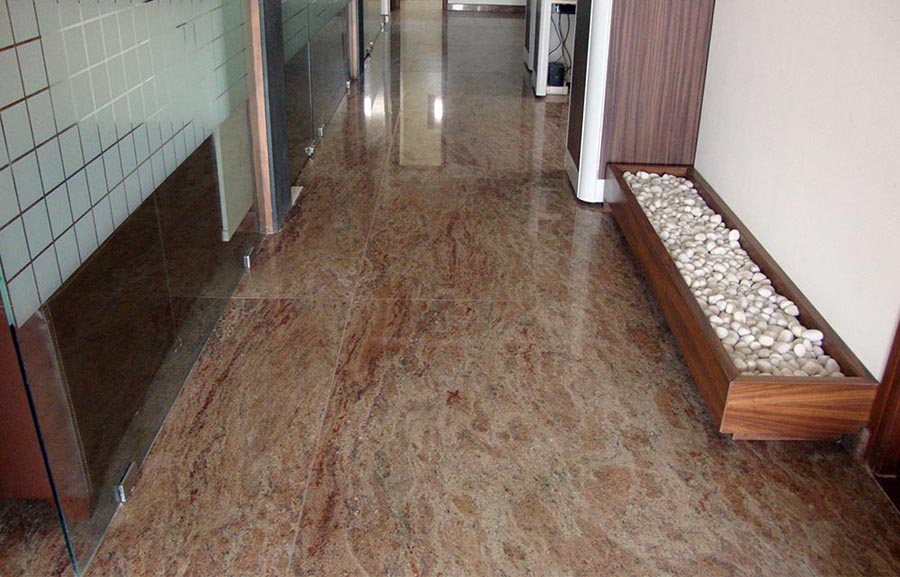
For those who want a sleek and luxurious look, opting for granite floors is an excellent choice. It's easy to clean, scratch-resistant, and pet-friendly. While it's a great option for your home, it's also expensive and requires expert installation. While it is a beautiful natural stone, it does require a professional installer to ensure proper installation. Granite floors are also harder than marble and do not require sealants, making them ideal for wet areas. Granite floors are more expensive than marble, but worth the money.
If you are considering installing granite tiles in your home, you should know the pros and cons of this material. Granite is an igneous rock that is the result of volcanic activity. Because of this, granite tiles are very dense and very strong. Granite tiles are also durable and can last for years. But keep in mind that it is expensive and requires regular cleaning and sealing to maintain its glossy appearance.
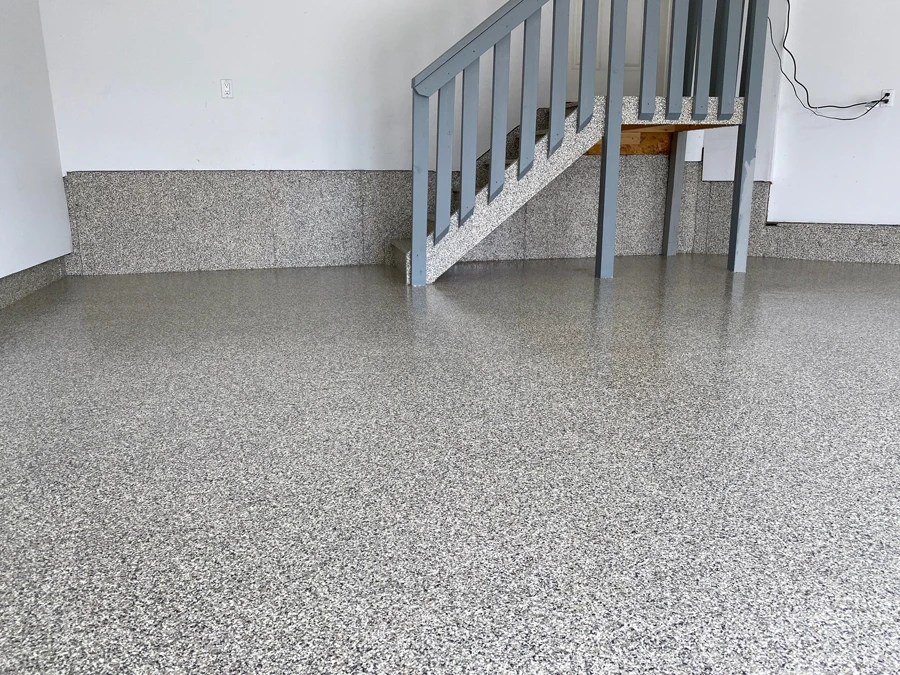
You need to choose a color that suits your decor. Light brown or tan granite is great for flooring, while white pearl granite is bland. You can choose from two types of white granite: Alaska White and Aster Gold. They're all good options if you're on a tight budget. Dark brown granite will make the room appear larger and more expensive.
Another disadvantage of granite is its dustiness. This dust is very harmful to your lungs and eyes. Granite dust can harm your eyes and lungs when cutting, sanding, and sanding. You can purchase a granite tile radon test kit, but this is only useful if your floors are susceptible to moisture damage. If you're considering installing granite tiles, make sure you do it professionally.