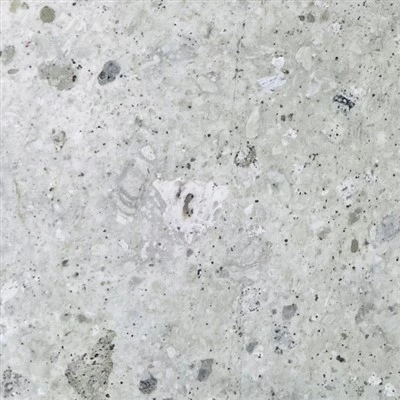
Sandstone is a sedimentary rock formed from the compacting and dissolution of sand-sized particles. These grains are usually made up of quartz, feldspar and other minerals. The most common color of sandstone is red. But, it can be gray or white as well.

The most common mineral in sandstone is quartz. However, other minerals can be present, including calcite, hematite and iron oxide. It can also be translucent. If the sandstone is exposed to water, chemical weathering can dissolve the minerals. This makes the stone more brittle.

Typically, sandstone is a highly porous rock. This is due to the fact that water is able to concentrate along sandstone-shale contacts. When this happens, microbes can enter pits and take hold. Other factors can also contribute to the appearance of the sandstone.
Sedimentary rocks are deposited in layers called beds. They form from a mosaic of different types of sediment. Some of the most commonly occurring sedimentary rocks are sandstone, limestone and chalk. Most sedimentary rocks are composed of sand, mud or chalk.
Sandstone can be a pale yellow, red or a brown color. A pale red rock is usually composed of sandstone beds of various grain sizes. Depending on the predominant mineral, the red color can range from pink to dark red. Red rocks can be igneous, sedimentary or both.