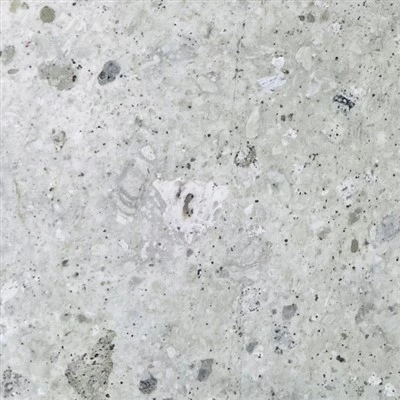
Granite, quartzite, travertine, marble, onyx - all natural stones look tough but actually have natural weaknesses. One of their common weaknesses is porosity, which means they absorb liquids easily. The porosity of each stone varies, but each stone is somewhat porous. Left unprotected, most natural stone will stain from simple spills, sweaty glassware, dripping spoons, splashes of grease, citrus juices, and any liquids commonly found in the kitchen.

Does your natural stone need a sealer?
Stone sealant is a simple, relatively inexpensive product. Most sealers used on granite and other natural stone are impregnated sealers. They usually contain solvents and resins and work by reducing the porosity of granite. When applied to stone, the water-soluble solvent component of the sealant can carry the resin component deep into the stone until the pores are filled with resin. At the same time the solvent evaporated. The sealant basically fills up all the microscopic pores in the stone so that it can no longer absorb the liquids that cause staining and water marks.
Many common sealants need to be reapplied every few years. The frequency of reapplication depends on the type of stone and how worn the countertop is. There is a simple test that homeowners can perform themselves to see if their countertops need to be resealed, or fully sealed first. Some stones, especially black granite, may not require sealing.

To test, have a timer and about a quarter cup of water ready. Pour the water in a discrete spot on the counter and use a timer to measure how quickly the water is absorbed. If the stone absorbs all the moisture at once, you will need to seal the stone with two or more coats, and if you use a regular sealer, apply the sealer every year. If the water absorbs within 4 to 5 minutes, the stone should be sealed with multiple layers and reapplied every three to five years, depending on the results of another water test. If the water absorbs within ten minutes, only one coat of sealant is needed and it may take years before another coat is applied. Permeable sealants should not be used if water absorption takes 30 minutes or more.
What sealant can't do
What sealants don't do is protect the stone from scratches, dents, and etching. If you cut a tomato directly on the surface of a natural stone, you may scratch the surface with a sharp blade. Put down a large pan and the stone may dent or chip. If you spill a gallon of lemonade on the stone and fail to clean it all up within an hour or so, some of the acid in the lemon can attack the sealant and even the surface of the stone. Whether this happens and the severity of the scratches, dents or etchings depends on the hardness of the stone. Quartz, for example, is harder than marble and less likely to be scratched, dented, or etched by major kitchen missteps.

Precautions for protecting natural stone
All natural stone surfaces require regular care, no matter how hard the stone is or how effective the sealer is. Never use abrasives or acidic cleaners on natural stone surfaces, as abrasives can scratch the granite and wear away the sealant. Acidic products, such as those containing lemon juice, vinegar, bleach, or ammonia, can chemically react with granite, creating what's called etching. Etching appears as white blemishes on the stone surface. Sealants do not prevent etching.