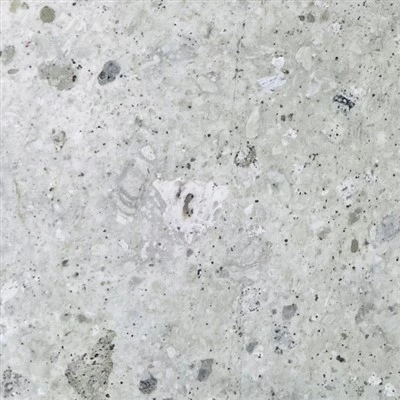
With its timeless elegance and durability, marble has been a symbol of luxury and sophistication throughout history. From ancient civilizations to modern architectural marvels, the allure of marble continues to captivate. Its polished finish is central to the beauty of marble, which enhances its natural luster and veining, transforming it into a masterpiece of craftsmanship. The evolution of marble polishing techniques can be traced through three distinct phases, each marking significant advancements in technology and methodology.

Early Stage: Pioneering Craftsmanship
The early stage of marble polishing, though undocumented in specific time frames, likely refers to antiquity or earlier periods when technology was rudimentary, and craftsmanship relied heavily on manual tools for basic grinding and polishing. Techniques such as waxing were employed to achieve a modest level of sheen, showcasing the innate beauty of marble albeit in a primitive manner.
The onset of the Industrial Revolution ushered in a new era for marble processing. With improved machinery and industrial processes, marble extraction, fabrication, and distribution became more efficient and widespread. Technological innovations facilitated faster and more precise cutting, shaping, and polishing of marble, marking a significant milestone in the evolution of stone polishing techniques.
Modern Era: Innovation and Excellence
In the contemporary period from the 2010s to the 2020s, marble polishing techniques entered a third phase characterized by cutting-edge innovation. The advent of advanced methods such as stone polishing with quartz paste represents a paradigm shift in surface treatment. This revolutionary approach incorporates grinding, curing, and waxing to achieve a mirror-like finish, akin to a hardened glass surface.
The development of this technique owes much to the pioneering efforts of experts from the Guangdong Foshan Ceramic Research Institute. Their groundbreaking work extended the principles of polished ceramic tiles to natural stone surfaces, revolutionizing the field of marble polishing. Through meticulous research and experimentation, they refined the process, ensuring unparalleled quality and durability in the final product.

Key Advancements and Techniques
1. Grinding and Curing Process
The cornerstone of modern marble polishing lies in the meticulous grinding and curing process. Initially, the surface is meticulously ground to remove imperfections and achieve a uniform texture. Subsequently, a specialized curing compound is applied, penetrating the marble's pores and enhancing its structural integrity.
2. Application of Quartz Paste
Quartz paste, formulated with cutting-edge compounds, catalyzes achieving a flawless finish. Applied in multiple layers, the paste fills in microscopic gaps and imperfections, creating a smooth and reflective surface. Through a combination of friction and chemical interaction, the quartz paste bonds with the marble, imparting unparalleled brilliance and resilience.
3. Final Polishing and Sealing
The culmination of the process involves a final polishing stage, where the marble surface is buffed to perfection. This meticulous procedure removes any residual impurities, ensuring a pristine finish that dazzles with its clarity and depth. To preserve the beauty of the polished surface, a premium sealant is applied, forming a protective barrier against stains and moisture, thereby prolonging the lifespan of the marble.
The evolution of marble polishing techniques embodies the relentless pursuit of perfection and innovation. From humble beginnings rooted in ancient craftsmanship to the technological marvels of the modern era, each phase represents a milestone in the quest to unlock the full potential of marble's beauty. Through a synthesis of tradition and innovation, today's marble polishing techniques offer unrivaled elegance and durability, elevating any space into a timeless masterpiece.