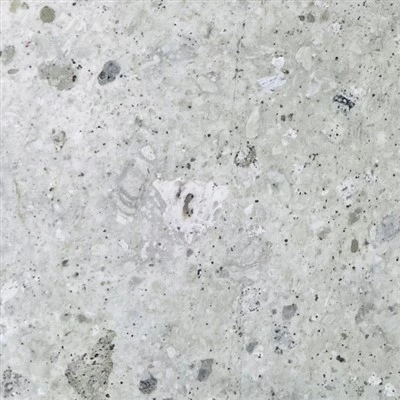
With the development of the construction industry and the advancement of construction technology, in the field of granite, various new materials and new technologies have been applied to various exterior wall decorations. Natural granite itself has the characteristics of good texture, solemn appearance, excellent physical properties, etc., and has been paid attention to and carried forward by people. However, in some projects, after a period of completion, some projects will have quality problems such as "efflorescence" of the stone, which is a serious problem. Affect the final effect of the entire renovation project. So, what is stone "efflorescence" and how does it happen?

How does the "efflorescence" in stone maintenance come about?
The so-called stone grout is generally due to the quality of the installation of building materials, resulting in excessive moisture inside the building. After a long time, the surface will appear white flow marks, white spots, water spots, wet marks and other uncoordinated colors. The statement about the return of stone efflorescence has been rarely used, and now more stone people prefer to use pan-alkali and back-alkali to describe this phenomenon.
The occurrence of this situation is generally related to the calcium carbonate exudation from the cement used for long-term contact.
Reasons for "efflorescence" in stone maintenance
1. It is relatively common to use the cement mortar hanging wet method during the installation of building materials. During the installation process of building materials, after installation, the external water will infiltrate the gypsum and alkali salt components in the cement, making the building materials and various The liquid of internal impurities gradually penetrates and hangs on the surface of the stone, forming the so-called efflorescence;
2. In the installation process of some buildings, especially outside the outer walls, the employees are too thin in the process of mixing and preparing cement and concrete, and a large amount of water volatilizes gradually after installation, resulting in the phenomenon of hollowing inside, allowing water to enter from the outside. The interior continuously reacts with cement to form efflorescence;
3. Some staff did not pay attention to the use of building materials when installing building materials, which would also lead to hollowing inside, resulting in the formation of stone efflorescence;
4. Some workers ignore the waterproof treatment of the joints during the operation. After the intrusion of rain and water vapor (especially acid rain), it is easy to bring out the gypsum inside and make the wall return to the grout. This situation is in some cases. It is very common in southern regions;
5. Although some workers have noticed the waterproof treatment of the joints, due to the selection of some acidic silicone sealants, structural adhesives, marble glues, and the gradual corrosion of the building materials and cement after installation, the effect of water Then, slowly form efflorescence on the stone surface. In various outdoor scenes, there is a high probability of stone back grout on the stairs.
In addition to the above factors, building materials and veneers are not cleaned during processing, which will cause some pollution (grease, dust, grit, etc.) to the building materials and veneers themselves. After the veneer is veneered, it is easy to cause the building materials and the cement mortar to not bond tightly, resulting in the phenomenon of hollowing. Once the water goes deep, it will cause the calcium carbonate to discharge and form a stone efflorescence.