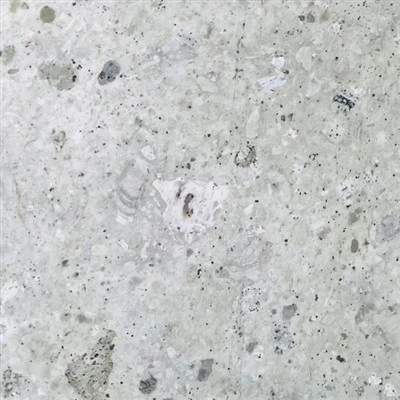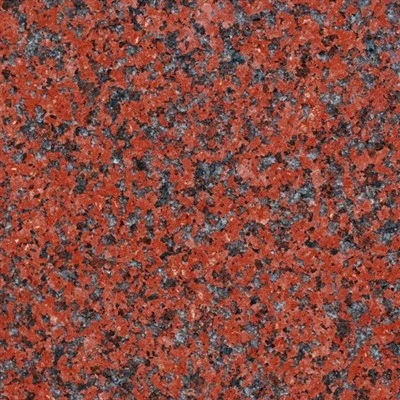
As you browse the wide variety of granite and other natural stones at Tingida Stone, you'll find a rainbow of colors and patterns on every slab. Every spot, streak, color and crystal you see in granite is a different mineral, each with its own visual and physical properties. Whether you're shopping for new granite or want to learn more about your existing natural stone surface, we'll help you understand some of the most common minerals you'll encounter.
Minerals are the basic components of granite. In fact, all natural stone is composed of different kinds of minerals, from large crystalline deposits to fine grains that can only be seen through a magnifying glass. Granite is mainly composed of the minerals feldspar and quartz, as well as amphibole, mica, and garnet.
Feldspar
Feldspar is not only the main component of granite, it is also the main component of the earth's crust. It is the most abundant mineral on earth and is often used as a background or undertone for granite. It can range from any black to white to pretty much everything in between, which means that color may not be your best clue to identifying feldspar.
Feldspar is a hard and durable material, usually measuring around 6 on a Mohs hardness tester. In most cases, it will not etch, scratch or smudge.
You can usually identify feldspar in granite by its shape and texture, as it usually comes in the form of massive "chunks." These chunks can vary in size from small to large, and often show a subtle pattern of stripes or grooves on closer inspection. In the magma form of granite, the feldspar fragments typically do not liquefy, but retain their shape and structure, floating in the molten mixture like ice in a Bloody Mary.

Quartz
Not to be confused with the artificial stone surface of the same name, quartz is the second most abundant mineral on Earth. Quartz is very popular outside of countertops for its durable properties and ability to hold and conduct energy. Quartz is usually transparent or translucent, with some significant color variations in different natural stones, sometimes influenced by surrounding adjacent minerals. Quartz can come in colors such as black, gray, pink, white and even purple.
Quartz is harder than feldspar, with a Mohs hardness of 7, making it extremely durable and long-lasting.
Quartz can be in any shape, as it primarily occupies the interstices between other minerals as it cools from its magma form. It is the last mineral to cool and harden from its molten state, so any cracks or holes left by solid feldspar are quickly filled with quartz. In most granites, you can easily identify quartz by its signature crystalline appearance.
Amphibole
Amphibole is also known as amphibole. Often easy to identify because of its contrast to the surrounding quartz or feldspar, amphibole is sometimes visible in lighter granite in streaks or scattered hash mark patterns.
Amphibole is as hard as feldspar, with a Mohs scale of 5-6. It has similar properties to glass.
Amphibole is pure black, usually in elongated crystals. Crystals are usually rectangular or spike-shaped, but sometimes appear in smaller clusters.

Mica
Due to their similar appearance, mica is sometimes confused with feldspar. It is common to find mica in a piece of granite, often forming a texture or pattern within the stone.The color of mica can be black, metallic or silver. It is found in dark and light-colored granite and is the source of the reflective "glitter" pattern that is popular in many natural stones.
You won't typically find large deposits of mica anywhere in residential grade granite, as it is a very soft and pliable mineral. It is usually embedded in feldspar and appears as black, narrow lines on polished granite surfaces.
Mica is usually found in the form of thin, wavy flakes or sparkling metallic deposits. When in doubt, the appearance of mica is most easily recognizable on the unfinished edge of a granite slab, where you can see the paper-thin flakes more clearly.

Garnet
One mineral you might recognize from your grandmother's jewelry, garnet is more common than you might think. Although it is considered a precious stone, it exists in several popular granites and can add an interesting pop of color to your countertops.
Garnet is a particularly hard and durable mineral with a Mohs hardness of about 7.
Garnet is obviously easy to identify by color, as it only ranges from bright red to deep red. Garnets can appear as cloud-like clusters, tiny round deposits, or scattered specks.
While no two pieces of granite are the same, knowing these five minerals will make it easier to narrow down your choice between the look, color, and style of natural stone. Whether it is to help you have a better experience in purchasing stone materials, or to learn some new knowledge, so that you can impress your friends in the communication with your friends, we all hope to help you!