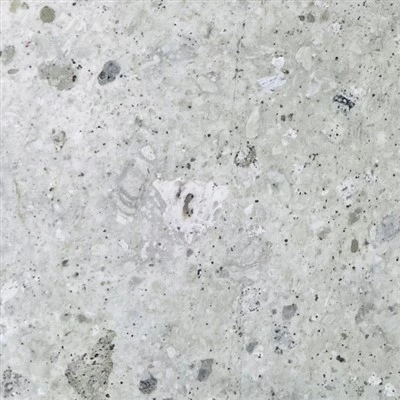
Are you choosing natural stone for your next project or home improvement? Since stones are created by nature, each type has certain characteristics that make it unique. Different stones are suitable for different projects, environments, traffic areas. Researching and understanding the stone before making a decision based solely on design preferences is critical to achieving excellent results.

Limestone and travertine are both sedimentary rocks. Limestone is formed from the accumulation of calcium carbonate and sediments mainly found in the ocean. Travertine is formed by the precipitation of calcium carbonate in mineral springs or terrestrial waters. The different stages of formation determine the density of the stone. Both limestone and travertine are dense enough to be suitable for a variety of residential and commercial projects, depending on the specific requirements of the project.
Appearance Color
In any project scheme, the choice of color is very important. If you want a light, airy feel, it's natural to opt for lighter shades. Limestone has bright, white, and champagne-like colors that are consistent throughout the stone, while travertine favors a darker palette with long streaks embedded in it.
Material Hardness
Since travertine is a softer product, it is not as suitable for floors as limestone, but it can be used as a backsplash and is stunning on countertops and walls. Limestone is ideal for high-traffic areas. It can take a lot of wear and tear and still look good. However, this does not mean that travertine cannot be used in floors, just that when used in floor designs it should be filled with resin and polished for added durability. Check out this beautiful polished travertine floor! Travertine is much more porous and can eventually become stained or discolored without surface treatment and regular maintenance.


Maintenance Costs
Since travertine floor tiles are usually filled with resin, it will eventually separate from the stone over time. This will lead to more maintenance issues as the tiles age. This is why it is recommended to reseal travertine tiles every 3 to 4 months. Natural travertine, stone that is not filled and used in walls, will eventually develop pitting and voids that are difficult to keep clean. So if you choose natural stone without filler, you still end up having trouble keeping it clean. The good news is that travertine's dark color tends to hide dirt that may have accumulated on its surface. Limestone, on the other hand, is less porous once sealed and can be easily dusted to keep it clean. It also needs to be sealed regularly to keep it looking its best.
Travertine is a cheaper option than limestone, but that's because it's more expensive to maintain and doesn't last as long. Travertine is also absorbent, so if you're in an area with freezing fluctuations, it could be damaged by the weather. However, it's still a very beautiful option for home interiors, and can even be used on floors, with proper maintenance. Limestone may cost more, but with proper maintenance it will last longer simply because it is not filled with resin. However, even natural travertine will not last as long as limestone because the stone is less durable.


Which should you choose: Travertine or Limestone?
Travertine is a beautiful stone with a unique aesthetic that is ideal for darker design schemes. However, when tile is used for floors, it is usually filled with resin to make it last longer. This can lead to maintenance problems later on that are more serious than just using more expensive natural stone such as limestone. However, with proper maintenance, travertine can still be used in wall applications without resin without too much trouble. Limestone is ideal for floors and around swimming pools. It has a consistent light shade for those who want a relaxed, monochromatic feel. If you have any questions or comments about Travertine vs Limestone, please contact us. We will give you the most suitable advice based on your needs and project details.