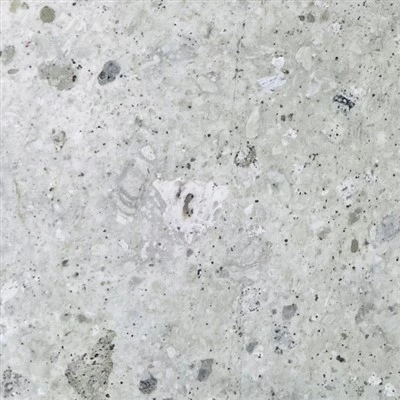
One of the most important things to consider when choosing a material for a kitchen countertop is durability. Your kitchen is one of the most used rooms in your home. No matter the day, the room might be used for cooking, storage, or even entertaining. You'll want your kitchen to feel light and easy to use, and you especially don't want to worry about your countertops every day.
The two most durable countertop materials are quartz and granite. Both are known for their reliability and durability, plus they are available in many beautiful colors. Since both gems are highly rated by designers and homeowners, it can be difficult to choose.
Durability of Quartz
Quartz is an artificial stone. While natural quartz does exist, in architecture, quartz refers to a combination of materials: approximately 90% natural quartz, 10% resin, and some added pigments for color and design. The exact percentages of these materials vary by brand. Quartz typically has a Mohs hardness of 7, making it one of the hardest materials used for kitchen countertops.

Unfortunately, quartz is not heat-resistant. While it won't burn with a small amount of heat, it can't handle overheating over 300 degrees Fahrenheit. This heat resistance is largely due to the presence of plastic resins. Hot items such as pots, pans, and even heated hairdressing tools can cause serious damage, such as burn marks or discoloration. There should be a tripod or thermal pad between these items and the quartz countertop.
Durability of Granite
Granite is of natural origin. It is additive-free, which means the stone used in your countertop is about the same as the material found in nature. It is one of the most common igneous rocks, which means it was formed by the cooling of lava over millions of years. It is composed of a variety of minerals, including the natural quartz we described earlier, feldspar, and trace amounts of other minerals. It's common in Earth's continental crust, or the rocks that form each continent.

The Mohs hardness of granite is usually on the 6th scale. This will vary for each plate, some are at level 5 and others at level 7, but it's roughly around this area of the scale.
Granite is also heat resistant. As an additive-free natural stone, it remains durable at extremely high temperatures. Granite is one of the best materials for hot stuff areas because it can easily withstand temperatures up to 480 degrees Fahrenheit and even higher.
Knowing this, it's hard to choose a clear answer.
In terms of hardness, on the Mohs scale of 7, quartz barely beats, and granite is usually a 6. The average hardness of a granite slab is 7, but in terms of its average hardness, quartz wins. While it's a stone's throw away numerically, 6 or 7 doesn't actually make much of a difference in terms of durability.
When it comes to everyday home use, granite is the clear winner as it resists damage from everyday kitchen activities. While both stones are stain and scratch resistant, only granite is heat resistant. Quartz requires extreme precautions to keep hot items like pots and pans away from its surface and can be problematic at temperatures over 300 degrees Fahrenheit. For all categories of potential damage, we recommend that you take precautions even if the stone is considered resistant. These materials are not damage-proof, and homeowners should still treat their countertops with love and care.
In terms of care, both stones require daily washing with soapy water. However, only granite also requires sealant. While reapplication with sealant is an easy task, it does require some effort. Because of this extra step, Quartz wins the round.