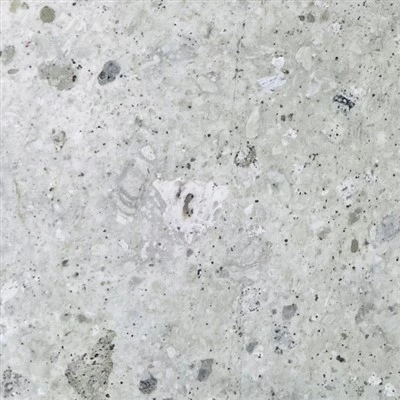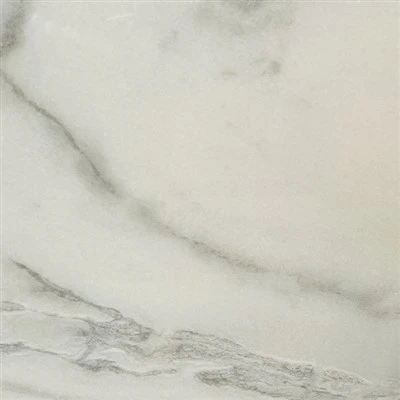
Natural stone has always been associated with timeless elegance, and among all stone materials, travertine has become one of the most popular choices for modern bathroom design. From luxury villas and boutique hotels to wellness spas and high-end apartments, architects and interior designers increasingly specify travertine to create warm, relaxing, and sophisticated bathroom spaces.
So, what makes travertine such an excellent material for bathrooms? In this guide, we'll explore its advantages, recommended applications, design ideas, maintenance tips, and how to choose the right travertine for your next project.
What Makes Travertine Unique?
Travertine is a natural limestone formed by mineral-rich hot springs over thousands of years. During its formation, carbon dioxide escapes from the stone, creating the small pores and linear textures that give travertine its unmistakable appearance.
Unlike polished marble, travertine offers a softer, warmer, and more organic look. Its natural texture creates a calm atmosphere that complements both minimalist and luxurious interior styles.
Popular colors include:
Beige Travertine
Ivory Travertine
Silver Travertine
Walnut Travertine
Grey Travertine
Noce Travertine
Each variety provides a different mood while maintaining the natural elegance that designers appreciate.
Why Designers Prefer Travertine for Bathrooms
A Warm and Relaxing Atmosphere
Bathrooms have evolved from purely functional spaces into private retreats for relaxation and wellness.
Travertine's warm earth tones help create a spa-inspired environment that feels comfortable and inviting. Compared with colder materials such as porcelain or polished granite, travertine brings a more natural and calming aesthetic.
Timeless Natural Beauty
Every slab of travertine features unique veins, pores, and textures formed by nature.
No two pieces are exactly alike, allowing each bathroom to become a one-of-a-kind design. Whether installed on walls or floors, travertine adds character that manufactured materials cannot replicate.
Excellent Design Flexibility
Travertine works beautifully with a wide variety of materials, including:
Natural oak
Walnut cabinetry
Matte black fixtures
Brushed brass fittings
Glass shower enclosures
White sanitary ware
Concrete accents
This versatility makes it suitable for contemporary, Mediterranean, Scandinavian, Japandi, and luxury hotel interiors.
Best Bathroom Applications for Travertine
Feature Walls
Large-format travertine slabs create seamless feature walls with minimal joints, making the bathroom appear larger and more elegant.
Bookmatched installations can further enhance the visual impact by emphasizing the stone's natural patterns.
Vanity Tops
Travertine vanity tops combine practicality with refined aesthetics.
Their natural color complements both modern floating vanities and classic cabinetry, providing a sophisticated focal point for the bathroom.
Shower Walls
Travertine is widely used for shower enclosures because its soft texture creates a relaxing spa atmosphere.
Using large slabs reduces grout lines and makes cleaning easier while delivering a premium appearance.
Bathroom Flooring
Honed or brushed travertine provides a comfortable walking surface and helps improve slip resistance compared with highly polished finishes.
Its natural texture also contributes to a warmer feel underfoot.
Bathtub Surrounds
Freestanding bathtubs framed with travertine create a luxurious resort-style experience that is frequently seen in five-star hotels and private villas.
Choosing the Right Finish
Different finishes produce different visual and functional effects.
Polished
High gloss
Elegant appearance
Best for feature walls and vanity tops
Honed
Smooth matte finish
Contemporary style
Popular for flooring
Brushed
Soft textured surface
Natural appearance
Excellent for spa environments
Filled & Honed
The natural pores are professionally filled before honing, producing a smooth surface while maintaining the stone's distinctive texture. This is one of the most popular finishes for bathroom applications.
Does Travertine Need Sealing?
Yes.
As a natural limestone, travertine has microscopic pores that can absorb moisture and staining agents if left untreated.
Professional sealing provides several benefits:
Reduces water absorption
Improves stain resistance
Simplifies daily cleaning
Extends service life
Preserves the stone's natural appearance
For residential bathrooms, resealing every 2–3 years is generally recommended, depending on usage and the type of sealer.
Daily Maintenance Tips
Maintaining travertine is straightforward when proper care is taken.
Recommended practices include:
Clean with pH-neutral stone cleaners.
Wipe away soap residue and standing water after use.
Avoid acidic cleaners containing vinegar, bleach, or citrus.
Use soft microfiber cloths instead of abrasive pads.
Reseal periodically to maintain protection.
With regular maintenance, travertine can remain beautiful for decades.
Travertine in Luxury Hospitality Projects
Travertine has become a signature material in luxury hospitality design because it creates a welcoming and timeless atmosphere.
It is commonly specified for:
Five-star hotels
Boutique resorts
Private villas
Wellness centers
Luxury apartments
Premium residential developments
Its natural texture pairs beautifully with soft lighting, creating elegant interiors that leave a lasting impression on guests.
Why Travertine Remains a Timeless Bathroom Material
Unlike rapidly changing design trends, natural stone continues to offer lasting value.
Travertine combines beauty, functionality, and durability while introducing warmth that many other materials cannot achieve. Whether used as a statement feature wall or throughout the entire bathroom, it creates interiors that feel sophisticated, comfortable, and connected to nature.
For architects, designers, and homeowners seeking a material that balances luxury with authenticity, travertine remains one of the finest choices for modern bathroom design.
Frequently Asked Questions
Is travertine suitable for bathroom walls?
Yes. Travertine is widely used for bathroom walls because it offers a seamless, elegant appearance and performs well when properly sealed.
Can travertine be used in showers?
Absolutely. Large-format travertine slabs are an excellent choice for shower walls, reducing grout joints and enhancing visual continuity.
Which finish is best for bathroom floors?
Honed or brushed finishes are generally recommended because they provide better slip resistance than polished surfaces.
Does travertine require regular maintenance?
Routine cleaning with pH-neutral products and periodic sealing are usually sufficient to keep travertine looking its best.
Is travertine a good investment?
Yes. Travertine has remained popular in residential and hospitality design for decades due to its timeless beauty, natural uniqueness, and long service life.
Looking for Premium Travertine for Your Next Project?
With more than 20 years of experience supplying natural stone for projects across Southeast Asia, the Middle East, Europe, and North America, Tingida Stone offers high-quality travertine slabs, tiles, and custom fabrication services for luxury residential and commercial developments.
Whether your project requires bathroom wall cladding, vanity tops, flooring, or bespoke stone solutions, our team can provide professional material selection, precision fabrication, and reliable international delivery.