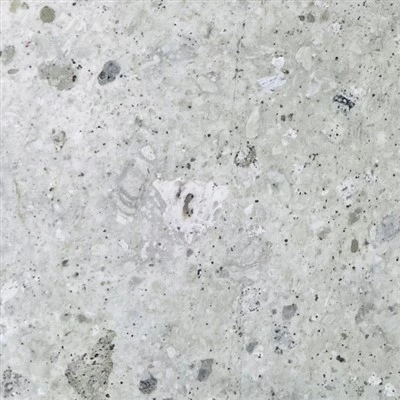
The corrosion of stone and the appearance of disease determine the inevitable maintenance of stone. Stone has a complex and fine microscopic and chemical structure. The main component of marble is carbonate, such as calcium carbonate and magnesium carbonate. When they encounter acidic substances or sulfur dioxide in the air, they can easily become water-soluble ions under the action of water. , And be damaged by corrosion. Although the main component of granite and sandstone is silicate with high stability, there are many micropores on their surface and inside. These micropores are the channels for stains, water and gas to enter the stone. Therefore, under the action of external environmental factors such as water, salt, atmosphere, acid rain, biology, industrial smog, domestic garbage, etc., through physical, chemical, biological and other destruction mechanisms, the material will appear white, wet marks, and yellow spit. Various damages and "sicknesses" such as weathering, cracking, fading, and man-made pollution (oil stains, cement mortar, pigments), etc. The relevant literature has already explained the specific causes of these phenomena. I will not repeat them here. However, it is worth pointing out that in recent years, the air quality in many areas of our country has not even reached the national third-level standard, and environmental pollution is increasingly destroying stone, which should arouse the attention of relevant parties.
The maintenance of stone is also an important measure to improve the quality and grade of my country's stone. In 2000, my country's stone output exceeded 6 million square meters, and it became the world's largest stone producer. However, China's stone export is still second to Italy. The export mainly consists of raw stone and rough slabs, which account for 1=1 of the total volume. More than 40%. Italy is just the opposite of our country. It mainly focuses on finished stone products. Their high-quality stone materials have been carefully treated before they are finished. Obviously, my country's backward chemical deep processing technology of stone has resulted in low product quality and low added value, which is one of the important bottlenecks restricting the development of my country's stone industry. It will be inevitable for China's stone production technology to move closer to the world. China is expected to join the World Trade Organization this year. This is a rare opportunity and a huge challenge for Chinese stone companies. Therefore, for Chinese stone to grow stronger, the pre-care and chemical deep processing technology of stone must be advanced.
Developed countries in Europe and the United States started early on stone conservation. The concept of stone conservation is strong and conscious, and related technologies and equipment are advanced and stable. In contrast, there is still a certain gap between our country and them, which should be improved from at least the following points.
In particular, the acceptance of the stone maintenance concept by the construction project party is particularly important. At present, most bystanders are hesitant to stone conservation, and most of them still remain in the passive situation of "treating the head and feet". The proactive preventive measures of "preventing troubles before they happen" have not really been implemented, and the stone's The care usually only stays in the daily maintenance during or after use, and does not go deep into the pre-curing of the stone before leaving the factory. According to industry analysts, the current domestic maintenance rate of building stone is still less than 10%. If the competent authority of the industry considers introducing certain regulations, it may be helpful to further promote the development of the stone conservation industry. It is true that some people mistakenly believe or exaggerate the effect of stone conservation. In fact, the maintenance of stone can effectively prevent the appearance of various stone diseases, and effectively maintain the natural and beautiful nature of the stone, but it does not mean that the stone can be cured once and for all, retain youth forever, and even eliminate all diseases.
Secondly, the evaluation criteria for stone conservation must be improved. At present, there is no industry standard for the effect of stone curing in China, and even corporate standards are not available. The evaluation methods are different, which has caused some confusion in the stone curing market. At least, it is unscientific and not comprehensive enough to use stone water absorption reduction rate as the evaluation standard of stone curing agent, and there are different test methods in different testing units, and the water blocking rate of the same curing agent for stones with different porosity It is not the same. Therefore, the introduction of a unified and scientific test method is particularly urgent.
Third, the task of developing high-grade stone curing agents with independent intellectual property rights is very urgent. At present, the domestic market is still the stone curing agent produced in the United States, Germany, Japan, Italy and other countries. Their product performance is stable, but the price is very high, earning tens of millions of dollars in foreign exchange from the country every year. However, domestically produced stone curing agents are mainly in the middle and low grades, which have no market competitiveness and occupy a small market share. On the one hand, it is related to the late start of my country's stone maintenance industry; on the other hand, the intersection of the two fields of stone and chemical industry is not enough. Although my country has sufficient scientific research and development capabilities, due to the constraints of the existing scientific research system, scientific research is severely decoupled from productivity. , Resulting in relatively lagging behind the development and transformation of new products.
Fourth, a professional stone maintenance engineering team must be established. Some domestic construction units should say that their experience is not rich enough to understand and use stone curing agents correctly, and even cause undue losses. The construction of stone curing will directly affect the quality of the project. The curing of stone should be protected according to the material. For example, granite and marble generally do not require high curing agents, while sandstone and fired boards have high water absorption rates, so sealing should be used , Good permeability curing agent. Different curing agents should be used for different parts of the stone. For example, kitchens and parking lots should choose a protective agent with a certain degree of oil resistance. The protective agent on the back of the wet stone should have a certain degree of water pressure resistance and alkali resistance. The conservation of stone cultural relics has extraordinary weather resistance, but no matter which curing agent is selected, it is recommended to make a small sample before construction to test its protective performance.