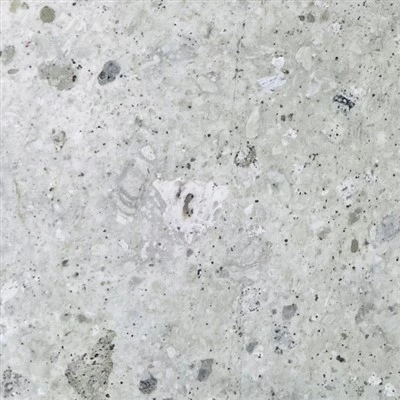
Exploring Wood Grain Marble Layout Designs
In contemporary interior and commercial space design, wood grain marble stands out for its natural elegance and noble demeanor. Unlike traditional monochromatic marble, wood grain marble exudes a more approachable and design-oriented appeal, combining the tactile warmth of wood with the durability of stone. However, the true beauty of wood grain marble lies not just in its material but in the choice and arrangement of its layout. This article delves into various layout methods, from basic installations to creative inlays, each influencing the final aesthetic outcome.
Understanding Wood Grain Marble
Characteristics of Wood Grain Marble
Wood grain marble is a natural stone characterized by its surface patterns resembling wood textures. Typically showcasing smooth lines and delicate grains, it comes in hues like gray, brown, and beige, offering a warm and natural ambiance. This stone retains the hardness and wear resistance of marble while mimicking the natural patterns of wood, making it a sought-after material in modern high-end renovations.
Compared to wooden flooring, it doesn't warp due to moisture or pests, making it ideal for humid areas like bathrooms and kitchens. Its unique, non-repetitive natural patterns provide strong decorative appeal, ensuring each slab is one-of-a-kind, which opens up endless possibilities in layout design.
The Aesthetic Appeal of Wood Grain Patterns
The fusion of wood's warmth and marble's cool texture creates a striking visual contrast. This combination breaks the monotony of spaces and enhances the artistic atmosphere. Wood grain marble is particularly suitable for modern minimalist and light luxury styles, offering both a natural touch and a contemporary sophistication.
Surface treatments like polishing, antiquing, and soft finishing allow it to adapt to various design styles. Different layout methods can make the wood grain appear fluid like water or orderly like a book, showcasing infinite aesthetic variations.
Common Layout Methods for Wood Grain Marble

Straight Lay (Aligned Seams)
The most fundamental and commonly used layout is the straight lay, also known as aligned seams. This method involves arranging each marble slab in the same grain direction, creating a continuous and orderly wood grain flow, resembling a single, cohesive wooden plank.
The advantage of this layout is its simplicity in construction and minimal waste, making it suitable for large areas like living room floors and entrance hallways. For those seeking a calm and understated effect, this layout is an excellent choice.
However, achieving uniform grain patterns requires careful selection and matching of slabs before installation. Ensuring consistent grain direction is crucial for a seamless appearance.
Flowing Pattern (Continuous Grain)
The following pattern layout emphasizes the continuity of the wood grain, making it appear as if the grain flows seamlessly from one slab to the next, creating a "never-ending" visual effect. This method enhances the sense of space and is ideal for areas like TV feature walls and expansive floors where overall visual impact is desired.
Implementing this layout demands high precision. It requires pre-installation simulations using computer software to plan the cutting and numbering of slabs, ensuring they align correctly during installation.
This layout is especially effective with stones like gray wood grain marble, where the flowing lines, once assembled, resemble elegant ink wash paintings.


Bookmatched Layout
Also known as mirror-image layout, this method involves cutting a single slab and placing the two pieces side by side to create a symmetrical pattern, akin to an open book. The result is a visually striking, artistic display that can resemble butterfly wings or landscape paintings.
This layout is perfect for feature walls, entryways, and artistic decorative surfaces, offering a unique focal point in high-end villas and commercial spaces.
However, it requires slabs with pronounced patterns and precise cutting, making it more expensive and suitable for projects with ample budgets.
Chevron Pattern
The chevron pattern, derived from wooden flooring designs, involves arranging marble slabs at 45-degree angles to form a continuous "V" shape. This dynamic layout adds movement and interest, breaking the rigidity of traditional stone installations.
Ideal for corridors, dining areas, and artistic walls, the chevron pattern requires meticulous measurement and cutting, which increases labor costs. When executed correctly, it significantly elevates the space's design sophistication.

Herringbone Pattern
The herringbone pattern is a classic layout with rectangular slabs in a zigzag pattern, creating a sense of rhythm and movement. This layout adds texture and depth, making it suitable for both floors and walls.
Implementing the herringbone pattern with wood grain marble combines the elegance of stone with the traditional appeal of wood flooring patterns, offering a unique blend of classic and contemporary styles.