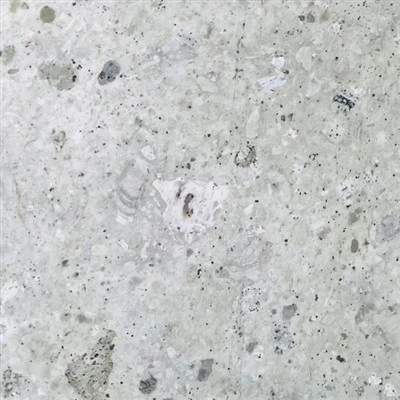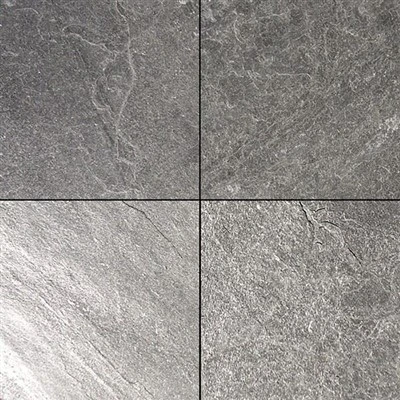
White marble is highly favored in the field of high-end architectural decoration due to its pure and elegant appearance, unique natural texture, and excellent texture. It can be seen in luxurious villas and elegant commercial spaces. However, due to the special properties of white marble, the installation process requires extra caution. Improper installation will not only affect the aesthetics but also may shorten its service life. Next, we will discuss in detail the key points to note during the installation process of white marble.
I. Preparation Work Before Installation
Quality Control of Stone Materials: White marble is relatively soft and is easily affected by pollution and scratches. When purchasing, carefully check whether there are defects such as cracks, color spots, and sand holes on the surface of the stone. At the same time, it is necessary to confirm that the physical performance indicators of the stone, such as compressive strength and water absorption, meet the installation requirements. You can ask the supplier to provide relevant quality inspection reports to ensure that the stone quality meets the standards.
Base Course Treatment: The surface of the base course where white marble is installed must be flat, dry, and clean, free of oil stains, dust, loose materials, etc. For uneven base courses, cement mortar should be used for leveling, and the error should be controlled within ±2 mm. In addition, if the base course is a concrete structure, ensure that it has reached sufficient strength, and the general curing period is not less than 28 days to ensure the stability of the marble after installation.

Measurement and Layout: Before installation, accurately measure the installation area and carry out layout design according to the measurement results. Considering the uniqueness of the texture of white marble, the texture should be naturally connected as much as possible during layout to avoid an uncoordinated splicing effect. At the same time, reasonably plan the cutting size to reduce material waste and improve installation efficiency.
II. Key Points During the Installation Process
Selection and Use of Adhesives: White marble has high requirements for adhesives. Special stone adhesives with reliable quality, no pollution, and no corrosiveness should be selected. Avoid using ordinary cement because the alkaline substances in ordinary cement may cause problems such as yellowing and efflorescence on white marble. When applying the adhesive, ensure even application and moderate thickness, generally controlled at 3 - 5 mm.
Installation Process Specifications: During the installation process, use tools such as a level and a straightedge to ensure that the surface of the marble is flat and vertical, and the height difference between adjacent plates does not exceed 0.5 mm. For larger-sized white marble, the dry-hanging process can be used for installation to enhance safety and stability. At the same time, during handling and installation, handle with care to prevent the stone from being collided and scratched.

Joint Treatment: The width of the joints between white marbles should be determined according to the design requirements, generally 1 - 2 mm. When treating the joints, joint fillers similar in color to the stone can be used for filling. The filling should be full and uniform to avoid voids or depressions. After filling the joints, clean up the excess joint filler promptly to prevent it from drying on the surface of the stone and affecting the aesthetics.
III. Maintenance and Protection After Installation
Cleaning and Protection: After the installation is completed, clean the surface of the white marble promptly. Use neutral cleaning agents and soft cleaning tools, and avoid using acidic or alkaline cleaning agents to prevent damage to the surface of the stone. After cleaning, the surface of the stone can be protected, such as applying a protective agent to form a protective film and enhance the anti - pollution and anti - permeability capabilities of the stone.
Finished Product Protection: During the maintenance period after installation, take effective finished product protection measures for white marble. Protective materials such as plastic films and cardboard can be covered on the surface of the stone to prevent damage to the stone during subsequent construction. At the same time, limit the activities of personnel and vehicles in the area where the stone has been installed to avoid frequent trampling and friction.

Regular Maintenance: White marble requires regular maintenance during use. Polish and wax the surface of the stone at regular intervals to restore its gloss. If stains or damage are found on the surface of the stone, clean and repair it promptly to prevent the problem from expanding.
The installation of white marble is a highly professional task, and every link is crucial. Only by making full preparations before installation, strictly operating under the specifications during the installation process, and properly maintaining after installation can the installation quality of white marble be ensured, and its unique beauty and value can be displayed.