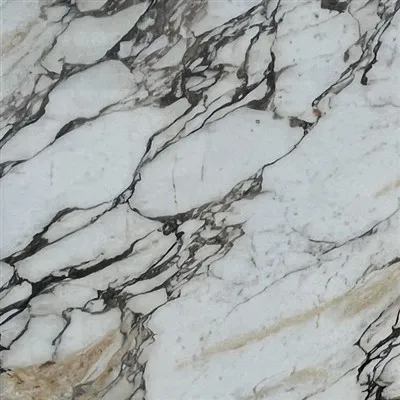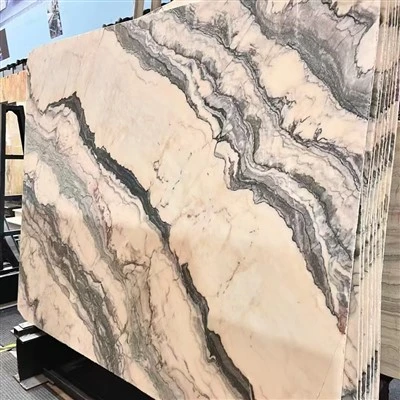

Granite, a versatile and durable natural stone, finds widespread use in construction due to its various applications, inherent advantages, and relatively straightforward maintenance requirements. Let's explore its significance in the realm of architecture.
Application: Granite's adaptability makes it a preferred choice in construction projects. Its application spans a wide range, including:
Countertops and Vanity Tops: Granite countertops add elegance and functionality to kitchens and bathrooms, providing a durable surface resistant to scratches, heat, and stains.
Flooring: Granite flooring enhances the aesthetic appeal of commercial and residential spaces. Its durability ensures longevity, even in high-traffic areas.
Facade Cladding: Granite cladding imparts a sophisticated look to building exteriors while offering weather resistance and thermal insulation.
Paving Stones: Granite pavers serve as durable and aesthetically pleasing materials for driveways, walkways, and outdoor areas.
Interior Wall Cladding: Granite panels adorn interior walls, contributing to both visual appeal and structural integrity.
Advantages: Granite boasts several advantages that make it a preferred material in construction:
Durability: Granite is renowned for its hardness and durability, making it resistant to scratches, heat, and moisture. Its robust nature ensures longevity, reducing the need for frequent replacements.
Aesthetics: With its unique veining, color variations, and polished finish, granite adds a touch of elegance and sophistication to any architectural design, enhancing the overall aesthetic appeal.
Versatility: Granite's versatility allows for diverse applications in both interior and exterior spaces, catering to various design preferences and functional requirements.
Low Maintenance: Properly sealed granite surfaces are easy to maintain, requiring simple cleaning with mild soap and water. Regular sealing helps protect against stains and ensures the stone's longevity.
While granite is relatively low maintenance, proper care is essential to preserve its appearance and durability:
Sealing: Seal granite surfaces regularly to prevent staining and moisture absorption. Reapply sealant as recommended by manufacturers or professionals.
Cleaning: Clean granite surfaces with a mild detergent and water solution using a soft cloth or sponge. Avoid abrasive cleaners or acidic substances that can damage the sealant and dull the stone.
Avoidance of Impact: Despite its durability, granite can chip or crack under heavy impact. Exercise caution when placing heavy objects on countertops or flooring to prevent damage.
Stain Removal: Promptly clean up spills, especially acidic or staining substances like wine or citrus juices, to prevent stains from setting into the stone. Use a pH-neutral cleaner for tougher stains, following manufacturer recommendations.
Regular Inspection: Periodically inspect granite surfaces for signs of wear, such as dullness or water absorption. Address any issues promptly to maintain the stone's integrity.
In conclusion, granite's versatility, durability, and aesthetic appeal make it a prized material in construction. By understanding its applications, advantages, and maintenance requirements, architects, designers, and homeowners can leverage the timeless beauty and functionality of granite in their architectural endeavors.