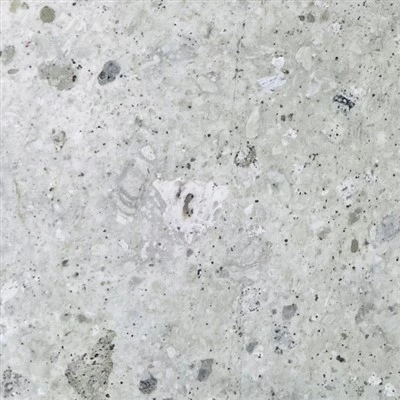
In the stone industry, quartz and quartzite are two popular materials that are often mistaken for each other. Despite their similar names, they have distinct characteristics that differentiate them. This article aims to provide a comprehensive guide on how to differentiate quartz from quartzite, empowering professionals in the stone industry to make informed decisions and better serve their clients.

What is Quartz?
Composition and Formation:
Quartz is a mineral composed of silicon and oxygen atoms in a continuous framework of SiO4 silicon–oxygen tetrahedra, commonly known as silica. It is one of the most abundant minerals in the Earth's crust and can be found in various forms, including crystalline quartz and amorphous quartz.
Properties and Characteristics:
Quartz is prized for its durability and resistance to scratching and staining. It is non-porous and does not require sealing, making it an excellent choice for countertops and other high-traffic areas. Quartz is available in a wide range of colors and patterns, including solid colors, marble-like veining, and speckled designs, making it versatile for different design preferences.

What is Quartzite?
Composition and Formation:
Quartzite is a metamorphic rock formed from sandstone under intense heat and pressure. The process of metamorphism recrystallizes the sand grains and binds them together with a silica cement. This results in a hard, dense rock with a high quartz content.
Properties and Characteristics:
Quartzite is renowned for its strength and durability, making it suitable for various applications in the stone industry. It is heat-resistant, scratch-resistant, and less prone to etching compared to other natural stones like marble. Quartzite typically has a crystalline appearance with subtle variations in color and texture, adding a natural elegance to any space.

Physical Differences:
While both quartz and quartzite contain quartz minerals, they differ in their physical properties. Quartzite is a natural stone with a higher quartz content and greater hardness compared to quartz, which is an engineered stone composed of crushed quartz minerals and resin.
Chemical Composition:
Quartz is primarily composed of silicon dioxide (SiO2), while quartzite consists mainly of quartz grains bound together by silica cement. The chemical composition of quartzite makes it more resistant to chemical weathering and degradation compared to quartz.
Durability and Maintenance:
Quartzite is known for its exceptional durability and low maintenance requirements. It is resistant to heat, scratches, and stains, making it suitable for kitchen countertops, flooring, and wall cladding. Quartz, on the other hand, is also durable but may require periodic sealing to maintain its integrity.
Appearance and Varieties:
Quartzite exhibits a natural beauty with unique patterns and colors derived from its mineral composition and geological processes. It is available in a wide range of hues, including white, gray, beige, and pink. Quartz, being an engineered stone, offers a broader spectrum of colors and patterns that can be customized to suit specific design preferences.
Cost Considerations:
Quartzite is generally more expensive than quartz due to its natural rarity and high demand in the stone industry. However, the cost of quartz varies depending on the brand, quality, and design options chosen.
Applications in the Stone Industry:
Both quartz and quartzite have versatile applications in the stone industry, including countertops, vanity tops, flooring, wall cladding, and decorative accents. The choice between quartz and quartzite depends on factors such as durability, aesthetics, and budget.
Choosing Between Quartz and Quartzite:
When selecting between quartz and quartzite, it is essential to consider factors such as durability, maintenance requirements, aesthetic preferences, and budget constraints. Consulting with a stone professional can help make an informed decision based on individual needs and project specifications.
Common Misconceptions:
There are several misconceptions surrounding quartz and quartzite, including confusion about their composition, durability, and maintenance requirements. Clarifying these misconceptions can help professionals in the stone industry educate their clients and make confident recommendations.
Case Studies: Real-world Applications:
Real-world case studies demonstrate the practical applications of quartz and quartzite in residential and commercial projects. These case studies showcase the durability, versatility, and aesthetic appeal of both materials in various design settings.
Expert Recommendations:
Experts in the stone industry recommend evaluating the specific requirements of each project when choosing between quartz and quartzite. Considering factors such as durability, maintenance, aesthetics, and budget can help determine the most suitable material for optimal results.
Conclusion:
In conclusion, understanding the differences between quartz and quartzite is essential for professionals in the stone industry to make informed decisions and meet the specific needs of their clients. By considering factors such as composition, properties, durability, maintenance, and cost, professionals can confidently recommend the most suitable material for each project.