
Unveiling the Timeless Elegance of Mushroom Stone
Introduction: Discovering the Beauty Within
In the realm of architectural adornments, mushroom stone stands as a testament to the enduring allure of natural elements. Crafted over millennia by the patient hand of geological forces, these remarkable formations grace landscapes with their distinctive charm and unparalleled beauty. In this comprehensive guide, we delve into the origins, characteristics, and myriad applications of mushroom stone, unraveling its timeless appeal and versatile functionality.
Understanding the Origins of Mushroom Stone
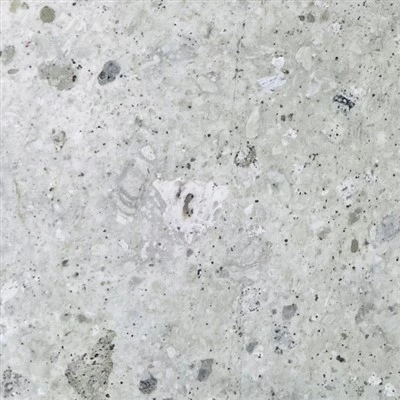
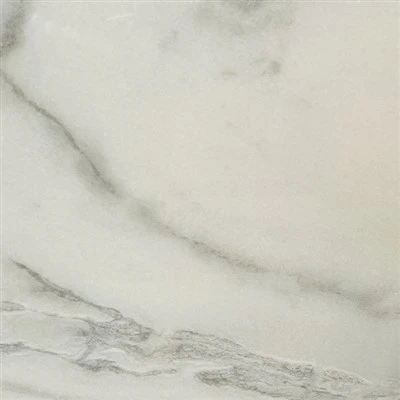
Mushroom stone owes its existence to the intricate dance of geological processes unfolding over millions of years. Born from the depths of the Earth's crust, this unique stone emerges from deposits of granite, limestone, sandstone, and marble. Through the gradual interplay of pressure, heat, and mineral composition, these stones take shape, manifesting their characteristic texture and hue.
The Marvel of Wind-Eroded Mushrooms: A Natural Wonder
One of the most captivating manifestations of mushroom stone is the wind-eroded mushroom. Shaped by the relentless forces of erosion, these formations exhibit a distinctive morphology, with a small base and a broad, cap-like upper portion. Over time, wind-blown particles sculpt the stone, yielding an aesthetic reminiscent of nature's artistic prowess.
Aesthetic Appeal: Nature's Masterpiece
Mushroom stone, with its elegant contours and earthy tones, epitomizes the harmonious fusion of art and nature. Whether adorning the facades of public buildings, villas, or park landscapes, its presence infuses spaces with a sense of serenity and sophistication. Each stone bears the imprint of its geological journey, adding depth and character to architectural compositions.
Functional Versatility: Beyond Ornamentation
Beyond its aesthetic allure, mushroom stone offers practical benefits that enhance both form and function. As a durable and weather-resistant material, it serves as an ideal choice for outdoor applications, such as wall cladding, cylinders, and landscaping features. Its natural resilience ensures longevity, making it a sustainable option for architectural projects of varying scales.


Architectural Marvels: Enhancing Urban Landscapes
In urban environments, mushroom stone finds expression in an array of architectural marvels, from towering skyscrapers to quaint garden pavilions. Its versatility allows for seamless integration into diverse design schemes, adding a touch of organic elegance to modern cityscapes. Whether utilized as a primary building material or as decorative accents, its enduring appeal captivates the imagination of architects and designers alike.
Residential Retreats: Elevating Outdoor Living Spaces

Hospitality Havens: Creating Memorable Experiences
In the realm of hospitality design, mushroom stone lends a touch of luxury and refinement to hotels, resorts, and leisure retreats. Its innate elegance elevates guest experiences, creating immersive environments that seamlessly blend with their natural surroundings. Whether gracing the walls of a boutique hotel or accentuating the ambiance of a spa retreat, its understated beauty leaves a lasting impression on visitors.
Conclusion: Embracing Nature's Timeless Splendor
In conclusion, mushroom stone stands as a testament to the enduring allure of natural materials in architectural design. From its humble origins in the depths of the Earth to its transformation into exquisite adornments, it embodies the timeless beauty of the natural world. As we continue to seek harmony between the built environment and the natural landscape, mushroom stone serves as a beacon of inspiration, inviting us to embrace the splendor of nature in all its forms.