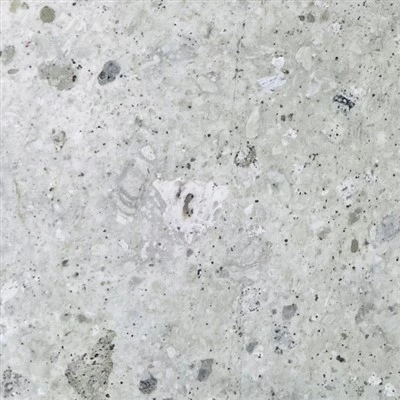
When deciding on the perfect material for your floor tiles, the debate between granite and quartz tiles often arises. Both are durable, stylish, and versatile, but they offer distinct benefits depending on your project needs. Let's dive into the differences between these two popular options to help you make the best choice.
1. Durability and Strength
Granite: Granite is a natural stone known for its incredible strength and resistance to scratches, making it an ideal choice for high-traffic areas. It is heat-resistant and performs well under pressure, so it can handle heavy furniture and constant foot traffic without wearing down.
Quartz Tiles: Quartz tiles, on the other hand, are engineered using a mixture of quartz particles and resin, which makes them strong but slightly less durable than granite. While still highly resistant to scratches and stains, they may not perform as well under extreme pressure or outdoor conditions.
Verdict: If you're looking for the toughest material, granite wins for strength and durability, especially for outdoor or heavy-use areas.
2. Appearance and Aesthetic Appeal
Granite: Being a natural stone, granite offers unique, one-of-a-kind patterns and color variations, giving your floor a natural, elegant look. Every slab is unique, which is appealing if you want a natural, organic feel.
Quartz Tiles: Since quartz tiles are engineered, they offer more consistency in color and design. They can be made in a wide variety of colors and patterns, some even mimicking the appearance of granite or marble, giving you more control over the final look.
Verdict: For a natural, distinctive appearance, granite is the better choice, but if you want consistency in color and design, quartz tiles may be the way to go.
3. Maintenance
Granite: Granite requires regular sealing to maintain its surface. Without sealing, the porous nature of granite can make it susceptible to stains from spills and moisture. However, once sealed, it becomes much easier to maintain and clean.
Quartz Tiles: Quartz tiles are non-porous and do not require sealing. They are highly resistant to stains and moisture, making them easier to maintain in comparison to granite.
Verdict: Quartz tiles are lower maintenance since they don't need sealing, while granite requires a bit more care.
4. Cost
Granite: As a natural stone, granite tends to be more expensive, especially for higher-quality slabs with unique patterns. Installation costs can also be higher due to the weight and need for specialized handling.
Quartz Tiles: Quartz tiles are typically more affordable than granite. While they can still look high-end, the overall cost for materials and installation is usually lower, making them a budget-friendly option for those looking to save on expenses.
Verdict: Quartz tiles are the more cost-effective choice, while granite is a bigger investment but offers long-term value.
5. Environmental Impact
Granite: Granite is a natural stone, so it requires quarrying, which can have a significant environmental impact. Transporting granite over long distances also adds to its carbon footprint.
Quartz Tiles: Quartz tiles are engineered, and depending on the manufacturer, they can be made from recycled materials, making them a more eco-friendly option in some cases.
Verdict: Quartz tiles can be more eco-friendly, especially if sourced from manufacturers that use sustainable practices.
6. Outdoor vs. Indoor Use
Granite: Granite is an excellent choice for outdoor use because of its natural ability to withstand weather elements like rain, sun, and frost. Its durability and resistance to heat make it a solid option for patios, walkways, and other outdoor areas.
Quartz Tiles: Quartz tiles are generally not recommended for outdoor use. The resin in the tiles can discolor or deteriorate under constant UV exposure, making them better suited for indoor applications.
Verdict: For outdoor use, granite is the superior option. Quartz tiles are best kept indoors.
Conclusion: Which Should You Choose?
Choose Granite if you need a durable, natural stone that can handle outdoor conditions, high traffic, and is worth the investment in high-end projects.
Choose Quartz Tiles if you're looking for a more affordable, low-maintenance, and versatile option for indoor use with consistent design choices.
Both granite and quartz tiles have their strengths, so your decision will depend on your specific needs, aesthetic preferences, and budget.